7 Jun 2026
Visual Pathways in Online Wagering: Connecting Entry Interfaces to Achievement Displays and Verification Systems via Visual Signals
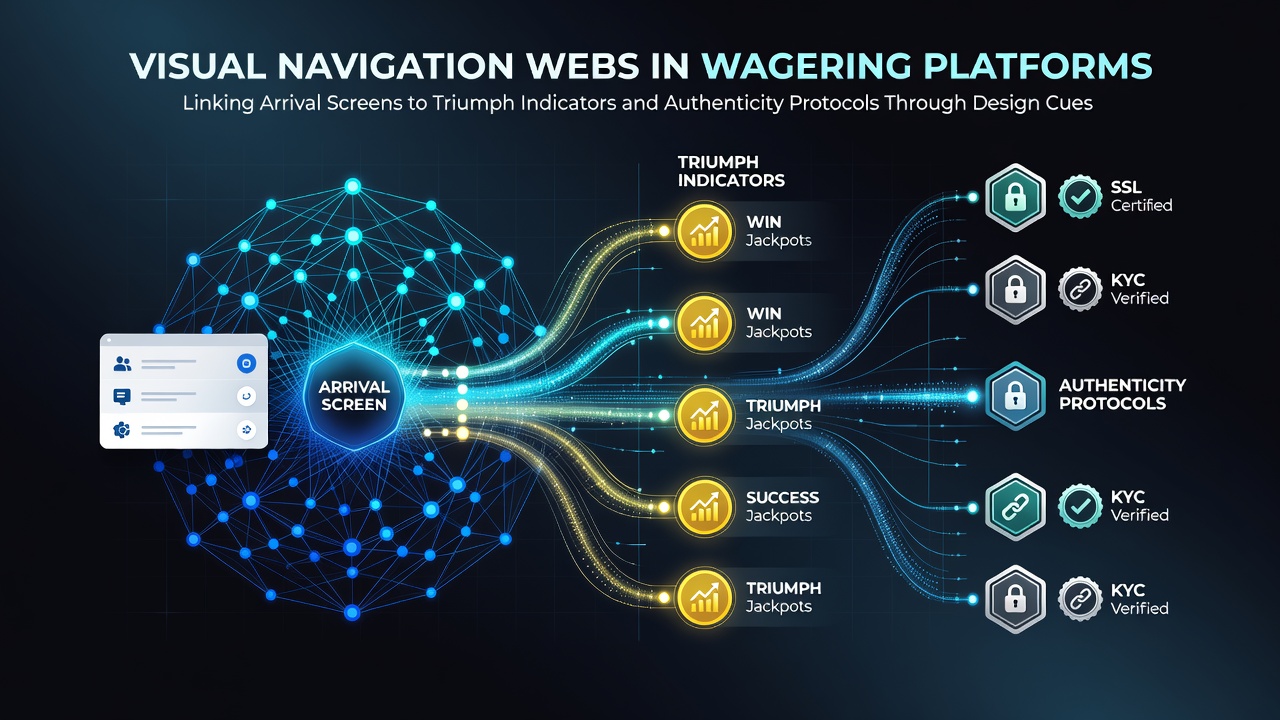
Design cues in wagering platforms create structured visual webs that direct users from arrival screens through layered pathways toward triumph indicators and authenticity protocols, and these elements rely on consistent color coding, icon placement, and layout hierarchies to maintain clear navigation. Observers note that platforms employ specific visual markers such as highlighted buttons and progress bars to signal progression from initial landing pages to verified outcome displays, while authentication steps integrate lock icons and certificate badges that appear at key transition points.
Platforms organize these webs around central hubs where arrival screens feature prominent menus that branch into sections for games, results, and security checks, and users encounter sequential design prompts like arrow indicators or numbered steps that reduce disorientation during movement between areas. Data from industry analyses shows that such cues appear more frequently in mobile-optimized versions, where screen space limits require tighter integration of visual signals to link entry points directly to win verification feeds.
Structural Elements in Arrival Screen Design
Arrival screens serve as the foundation for these navigation webs because they establish the first set of visual connections through header bars, hero images, and quick-access tiles that point toward deeper sections, and researchers have documented how platforms use gradient backgrounds or pulsing animations to draw attention to links leading to triumph indicators. In June 2026 several operators updated their interface frameworks to incorporate more dynamic elements that adapt based on user location data, which helps maintain consistent pathways across different device types.
Those who study interface patterns observe that sidebar menus often contain layered icons representing categories like live results and account verification, creating a radial structure that fans out from the central arrival view, while top navigation bars reinforce these connections with text labels paired to color-matched symbols. This setup allows direct routing from the entry point to outcome displays without requiring multiple clicks, and evidence from usability reports indicates reduced drop-off rates when these visual alignments remain uniform across sessions.
Linking Mechanisms to Triumph Indicators
Triumph indicators receive direct visual ties from arrival areas through embedded result feeds that display recent wins alongside directional arrows or chevrons, and these elements update in real time to reflect verified payouts pulled from backend systems. Platforms frequently position these indicators in dashboard panels that users reach via highlighted tiles on the initial screen, and the design incorporates progress animations that fill as authentication checks complete in the background.
One documented approach involves overlay notifications that appear during navigation, using green checkmarks or trophy silhouettes to mark successful transitions toward outcome verifiers, while numeric counters track accumulated achievements in the same visual cluster. Studies from gaming technology labs reveal that such integrated cues improve user retention by clarifying the route from entry to confirmation stages, especially when combined with subtle border highlights that activate upon hover or tap actions.
Authenticity Protocols Integrated Through Design
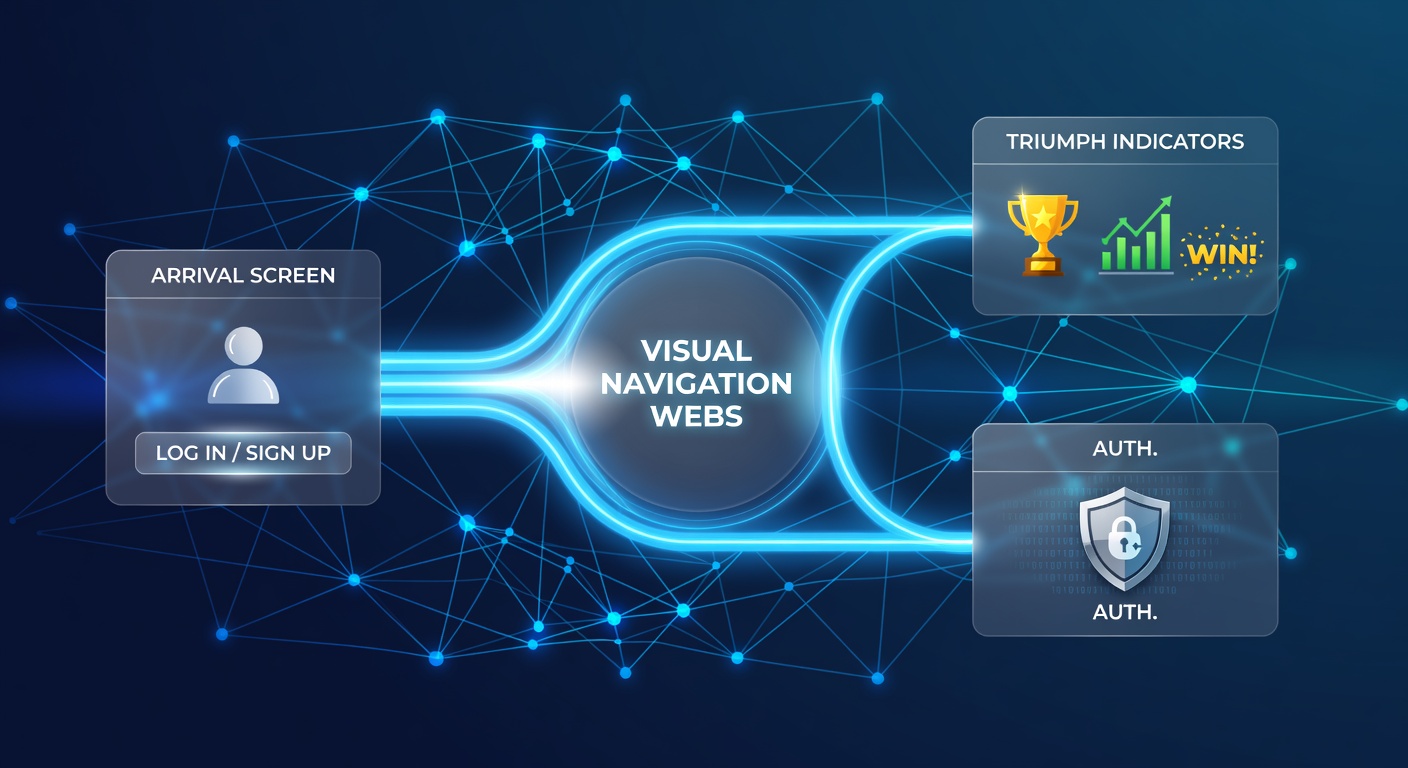
Authenticity protocols embed into the same visual webs via security badges and encrypted connection symbols that appear alongside triumph indicators, and these markers activate through design triggers such as verified session timers or multi-factor prompts displayed in dedicated side panels. Operators align these elements with the navigation flow so that users encounter them naturally during movement from arrival screens to result areas, and color shifts from neutral tones to verified greens signal completion of checks.
According to findings published by the International Gaming Institute, platforms that synchronize these protocol visuals with outcome displays achieve higher compliance visibility because users receive immediate feedback on security status without leaving the main interface flow. In practice this means lock icons pulse briefly when new verifications occur, and pathway lines or dotted connectors in the layout illustrate the logical link between win confirmations and audit trails.
Current Developments in June 2026
June 2026 brought incremental refinements to these visual systems as operators responded to updated accessibility standards across multiple jurisdictions, and many platforms introduced scalable icon sets that maintain clarity on both desktop and handheld devices. Reports from the American Gaming Association highlight how these adjustments preserved the core web structures while enhancing contrast ratios for triumph indicators and protocol badges, which supports uninterrupted navigation even under varying lighting conditions.
Platforms continue to test variations in cue density, where some reduce the number of simultaneous visual prompts to avoid overload while others layer additional micro-animations that reinforce connections between sections, and testing data shows measurable differences in task completion times depending on the chosen approach. This ongoing evolution keeps the visual webs adaptable to regulatory shifts without disrupting established user routes.
Conclusion
Visual navigation webs in wagering platforms function through deliberate design linkages that tie arrival screens to triumph indicators and authenticity protocols, and the resulting structures rely on repeated patterns of color, shape, and motion to guide movement across interfaces. Observers continue to track how these elements adapt in response to technological and regulatory changes, which ensures pathways remain functional as platforms evolve their presentation methods.