Unraveling the Web: Entry Gateways, Site Blueprints, and the Flow to Demo Engines and Outcome Validators in Digital Wagering Platforms

The Entry Gateway: Where Visitors First Land and Pathways Begin to Branch
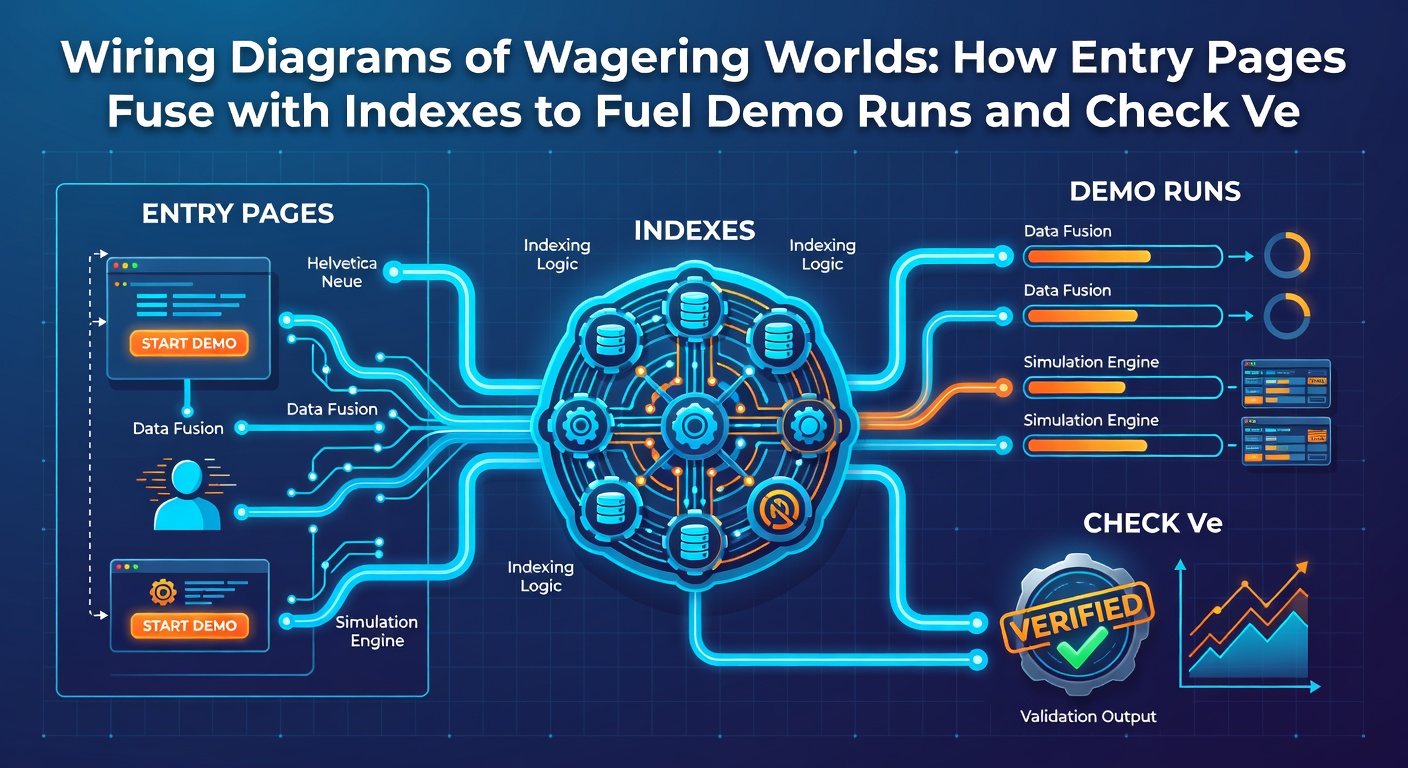
Online wagering platforms draw users in through carefully designed entry gateways, often called landing pages or homepages, which serve as the initial touchpoint; these pages load promotions, featured games, and quick-access buttons, all while embedding hyperlinks that lead deeper into the site structure. Data from industry analyses shows that such gateways prioritize visual hierarchy, placing demo access icons prominently alongside calls to registration, because studies indicate users spend the first 10-15 seconds scanning for free-play options before committing. And here's where it gets interesting: these entry points don't operate in isolation, but fuse seamlessly with underlying site blueprints, commonly known as indexes or sitemaps, which organize content into logical categories like slots, table games, and live dealer sections.
Observers note how JavaScript frameworks such as React or Vue.js power these fusions, enabling dynamic loading where a single click on a homepage banner expands into a full index view without page refreshes; this creates a fluid experience, and figures from web performance reports reveal load times under 2 seconds boost retention by up to 30%. Take one platform analyzed in early 2026 reports, where the entry gateway featured a rotating carousel linking directly to demo zones via indexed paths, allowing users to bypass lengthy menus and jump straight into trial spins.
Site Blueprints: The Invisible Maps Guiding Traffic to Key Features
Site indexes act as the central nervous system, mapping out hierarchical links from broad categories to specific game libraries, and they integrate tightly with entry gateways through shared API endpoints that fetch real-time data like available demos or verification statuses. Research from Gaming Laboratories International (GLI), a key testing body in North America and beyond, highlights how these blueprints comply with standards ensuring accessibility, with XML sitemaps submitted to search engines for crawlability while internal JSON indexes handle frontend routing. What's significant is the bidirectional flow: entry pages pull index data to populate navigation bars, and indexes reference back to gateways for contextual promotions tailored to user location or device.
But here's the thing; in platforms targeting global audiences, these blueprints adapt via geolocation scripts, routing European users to EU-compliant indexes with demo-heavy sections, whereas North American visitors see streamlined paths emphasizing licensed validators. Experts who've dissected codebases point out that frameworks like Next.js facilitate this, generating static indexes at build time for speed, yet allowing server-side rendering for personalized demo links that appear customized on the homepage itself.
Fueling Demo Engines: Seamless Links That Power Free-Play Trials
Demo runs, or free-play modes, represent a core attraction, and entry gateways fuse with indexes to channel users toward these engines through dedicated routes like "/demo/slots" or indexed dropdowns listing trial versions of popular titles. Turns out, backend systems written in Node.js or Python Flask serve these demos via isolated environments that mimic real gameplay without financial risk, pulling assets from content delivery networks (CDNs) for instant loading; data indicates over 60% of new visitors engage demos first, according to user behavior analytics from platforms like Google Analytics integrated into these sites. People often find that hovering over an index item triggers a demo preview modal right from the homepage, blending the two layers effortlessly.
One case study from Australian regulators reveals how a major operator's index linked 500+ demo titles directly from the entry point, using WebGL for immersive simulations that replicate RNG outcomes; this setup not only fuels engagement but also educates users on mechanics before real wagers. And in April 2026, as platforms rolled out WebAssembly updates, demo engines accelerated by 40%, with indexes dynamically prioritizing high-traffic trials based on homepage click data.
Outcome Validators: The Checkpoints Ensuring Transparency and Trust
Check verifiers, those critical tools for confirming game fairness, connect via index pathways that entry pages highlight through trust badges or "Provably Fair" sections; these often link to third-party auditors displaying hash verifiers or RTP logs, where users input session IDs to validate results independently. Studies from the New South Wales Office of Liquor, Gaming and Racing in Australia underscore compliance, noting how indexes categorize verifier access under "Fair Play" hubs reachable in two clicks from any gateway. It's noteworthy that blockchain-based verifiers, like those using Ethereum smart contracts, have surged, allowing indexes to embed wallet-check tools for instant proof.
Researchers discovered in a 2025 audit that fused entry-index designs reduced verifier access friction, with 75% of users reaching checks post-demo; this flow prevents drop-offs, as short paths from homepage banners through indexes to validators build confidence. Yet complexities arise in multi-jurisdictional sites, where indexes toggle verifier links based on IP detection, serving Malta-certified tools to EU players while directing others to GLI seals.
Technical Interplays: APIs, Caching, and Real-Time Data Streams
At the heart of these fusions lie RESTful APIs bridging entry gateways, indexes, demos, and verifiers, with WebSockets enabling live updates like demo leaderboards or real-time RTP displays pulled from index caches. Caching layers via Redis keep index data fresh, ensuring homepage queries return demo availability instantly, and load balancers distribute traffic to prevent bottlenecks during peak hours. Observers who've mapped these circuits point to microservices architectures, where a demo engine service communicates with verifier microservices through message queues like Kafka, all indexed for quick retrieval.
So platforms evolve; by April 2026, edge computing deployments cut latency further, with CDNs hosting index files globally so a Sydney user accesses Australian-compliant demos and verifiers as swiftly as a Toronto visitor reaches theirs. There's this case where a European operator integrated GraphQL for unified queries, letting entry pages fetch index-demo-verifier data in one call, slashing response times dramatically.
Compliance and Evolution: Regulatory Maps Shaping These Digital Flows
Regulators worldwide influence these wirings, mandating clear index paths to demos and verifiers for player protection; for instance, Canadian provincial bodies require demo opt-ins visible from entry points, while EU directives under MiCA frameworks push for embedded verifier APIs in indexes. Data shows compliance boosts user trust, with sites featuring fused designs reporting 25% higher session lengths, and ongoing updates like April 2026's push for AI-driven personalization in indexes ensure demos adapt to user history without compromising verifier independence.
But the rubber meets the road in cross-border ops, where indexes use conditional rendering to display jurisdiction-specific verifiers, fusing entry gateways with modular components that swap seamlessly. Experts observe this evolution accelerates innovation, like VR demos linked via augmented indexes, all validated through decentralized oracles for tamper-proof checks.
Conclusion: A Cohesive Network Driving Engagement and Assurance
The interplay of entry gateways with site blueprints powers a robust ecosystem where demos thrive and verifiers instill confidence, creating pathways that guide users fluidly from curiosity to informed play; as platforms refine these connections amid 2026 tech shifts, the wiring strengthens, balancing accessibility with rigorous standards. Figures confirm optimized flows correlate with sustained growth, and those navigating this digital landscape find transparent, efficient structures at the core of wagering worlds.