Unpacking Digital Directories: Tracing Routes Through Portal Architectures to Simulation Tools and Verification Systems
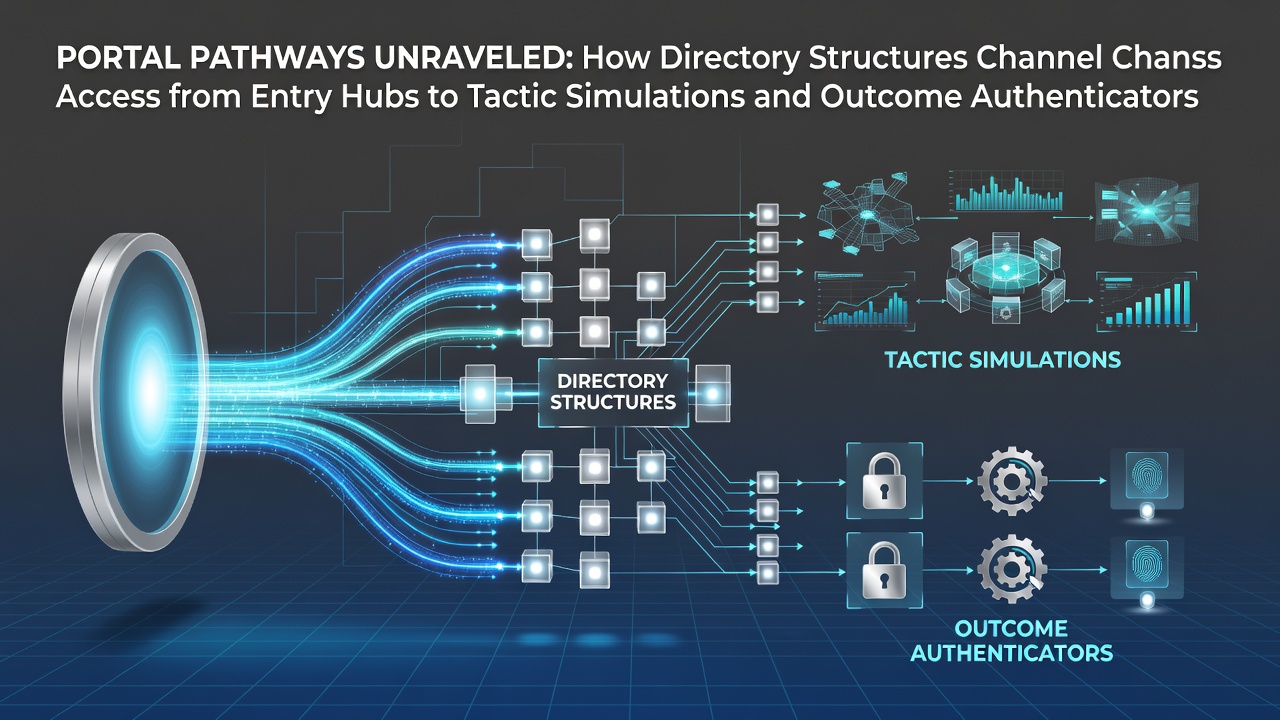
Digital portals rely on structured directory paths that guide users from initial landing points through layered access layers toward specialized tools, and these systems have grown more intricate as platforms expand their capabilities across industries. Entry hubs serve as the starting points where visitors first interact with navigation menus and index pages, while subsequent directories organize content into logical branches that lead toward interactive elements like tactic simulations and outcome authenticators.
Entry Hubs as Primary Access Points
Researchers at academic institutions have mapped how entry hubs function as centralized gateways in portal design, channeling traffic through root directories that then distribute users based on permissions and query parameters. Data from enterprise software studies shows these hubs often incorporate authentication prompts early on, which reduces unauthorized navigation while directing verified users toward deeper folder structures that contain operational resources.
Directory Structures and Their Organizational Logic
Directory hierarchies follow consistent patterns across many platforms, with folders named according to function such as /access, /modules, and /verify that create predictable routes for both human users and automated systems. Observers note that this organization prevents overlap between sections, allowing tactic simulations to reside in isolated subdirectories while outcome authenticators maintain separate pathways that reference live data feeds without interfering with training environments.
Industry reports from organizations like the National Institute of Standards and Technology highlight best practices for these structures, emphasizing clear naming conventions and access controls that scale with platform growth. NIST guidelines on access control provide frameworks that developers apply when building these routes, ensuring that entry hubs connect seamlessly to simulation zones without exposing sensitive verification processes.
Pathways to Tactic Simulations
Tactic simulations occupy dedicated subdirectories that users reach after passing through intermediate navigation layers, and these areas often pull from modular codebases that allow real-time adjustments based on user inputs. Studies conducted by research teams at Canadian universities have documented how such simulations integrate with directory trees to deliver scenario-based exercises, where participants progress through sequential folders that unlock progressively complex challenges.
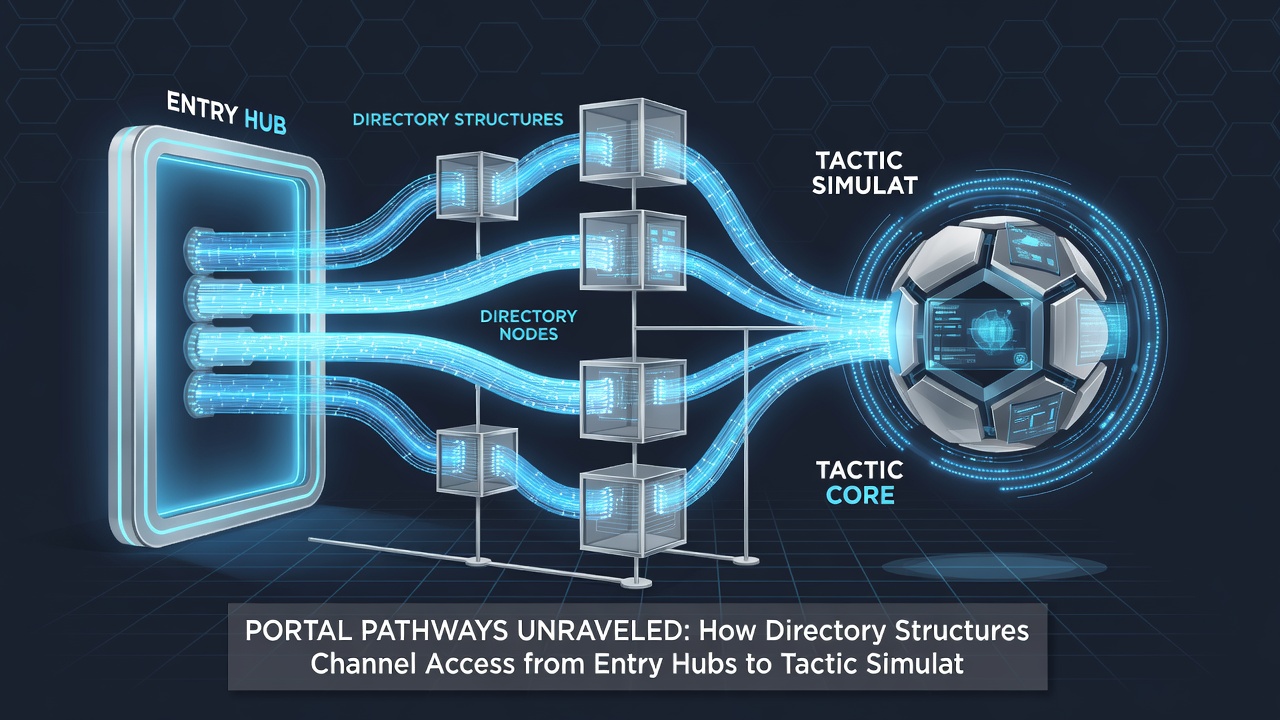
What's interesting is how these simulation directories frequently incorporate branching logic, so one user action in an entry hub can trigger multiple parallel routes that converge later at verification stages. Figures from software architecture analyses reveal that platforms updated their simulation pathways in July 2026 to include enhanced caching mechanisms, which improved load times for large-scale tactic exercises without altering the underlying directory hierarchy.
Outcome Authenticators and Final Verification Layers
Outcome authenticators sit at the end of these directory chains, where systems cross-reference simulation results against predefined criteria stored in secure subfolders. Experts have observed that these authenticators rely on encrypted directory links to prevent tampering, and they often generate reports that feed back into entry hub dashboards for user review.
Integration Across Portal Components
Integration happens through API calls that respect directory permissions, allowing data to flow from tactic simulations into authenticators while maintaining separation between training and validation environments. Trade groups in the Asia-Pacific region have published findings on how such integrations support compliance requirements, and one study from an Australian research institute demonstrated measurable efficiency gains when directories were optimized for concurrent access.
People who manage these portals often discover that minor adjustments to folder naming or permission settings can significantly alter user flow patterns, redirecting traffic toward underused simulation tools or tightening controls around outcome authenticators. Evidence suggests that July 2026 saw several platforms adopt new metadata standards that made these adjustments more straightforward across different hosting environments.
Conclusion
Portal directory structures continue to evolve as platforms incorporate new tools and compliance demands, yet the core principle remains consistent: entry hubs feed into organized pathways that deliver users to tactic simulations and then to outcome authenticators. Those who study these systems find that careful mapping of directories supports both usability and security across diverse applications.