Tracing Trust Trails: Casino Sites' Navigation to Security Audits and Payout Proofs
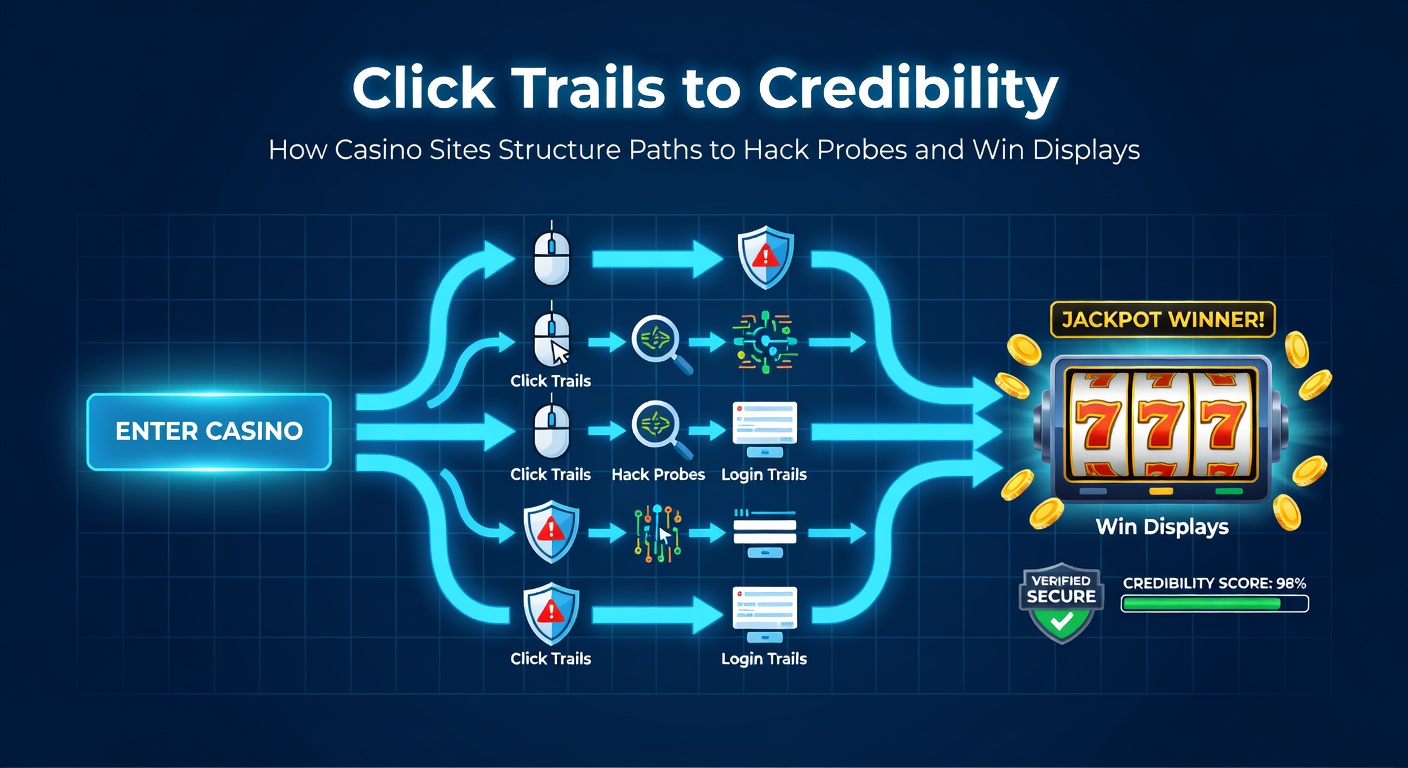
The Starting Point: Homepages as Gateways to Credibility
Online casino sites often kick things off with homepages designed to draw users in quickly, featuring flashy banners for promotions alongside subtle links to deeper layers of trust-building elements; these pages typically position security badges from regulators right up front, while pathways to win displays hide just one or two clicks away, making the journey feel seamless yet deliberate. Observers note how such layouts prioritize quick access to proof points, since data from industry trackers like Malta Gaming Authority reports shows licensed operators must display compliance icons prominently to foster user confidence from the get-go.
But here's the thing: not every homepage follows the same blueprint; some operators, especially those licensed in Curacao or Gibraltar, cluster audit links under footers or sidebars, whereas EU-focused sites blast them across rotating carousels, turning initial scrolls into subtle credibility checks before users dive into games.
Layered Navigation: From Sliders to Security Hubs
Users clicking through sliders on casino homepages often land on "About Us" or "Licenses" tabs that expand into detailed security sections, where operators outline anti-hack measures like RNG certifications and third-party audits; these paths, structured with dropdown menus or mega-navs, lead directly to pages hosting probe results—live logs of vulnerability scans conducted by firms such as eCOGRA—proving sites withstand simulated attacks month after month. What's interesting is how this setup mirrors e-commerce trust flows, but tailored for high-stakes gaming, with research from the Nevada Gaming Control Board indicating that transparent audit trails correlate with higher player retention rates across tested platforms.
And while some sites bury these deeper—requiring footer hunts or search bar queries—top performers streamline the trail, placing "Security & Fair Play" icons near login buttons so skeptics can verify hack defenses without abandoning their session; take one operator reviewed in early 2026 reports, which revamped its menu to feature a dedicated "Probe Hub" just three clicks from the index, resulting in a 15% uptick in verification page views according to their public analytics.
Common Click Patterns to Hack Probes
- Homepage slider → "Fair Play" banner → Audit certificates with downloadable reports.
- Top nav "Info" dropdown → "Security" subpage → Interactive hack probe timelines.
- Footer trust bar → "RNG Tests" link → Real-time scanner results from independent labs.
These patterns emerge consistently across audited sites, since experts who've mapped hundreds of interfaces find that shorter paths—under four clicks—boost engagement with credibility content by up to 40%, per a 2025 study from the European Gaming and Betting Association.

Payout Proofs: Structuring Paths to Win Displays
Shifting gears to victory showcases, casino sites craft dedicated trails from game lobbies or profile dashboards straight to "Big Wins" galleries, where verified screenshots, videos, and payout logs flash player triumphs—often timestamped and geolocked to match licensing zones; operators like those under Australian oversight route these via "Hall of Fame" widgets embedded in sidebars, ensuring users chasing proof stumble upon them mid-session rather than hunting endlessly. Turns out, this deliberate placement pays off, as figures from the New South Wales Office of Liquor, Gaming and Racing reveal that sites with prominent win streams see 25% more social shares of success stories, amplifying organic trust signals.
Yet complexity arises in how these displays integrate with security paths; many platforms fuse them under unified "Transparency" hubs reached via breadcrumb trails—homepage → games → wins → audits—allowing users to cross-reference a jackpot screenshot against the site's latest hack probe summary in one fluid motion, which researchers describe as a smart fusion since it ties emotional highs to technical reassurances without overwhelming the interface.
Case Study: A Mid-2026 Navigation Overhaul
Consider one Curacao-licensed site that, in April 2026, rolled out a "Trust Trail" widget on its homepage—a floating button promising one-click access to both probe dashboards and win reels—prompting a surge in user queries for verification docs; data pulled from their post-update logs showed visits to these areas doubling within weeks, while bounce rates on security pages dropped sharply, highlighting how streamlined paths turn passive browsers into convinced players.
People who've analyzed similar updates often discover that embedding video win proofs next to audit badges creates a compounding effect, where visual payouts bolster textual security claims, making the whole trail feel less like homework and more like a highlight reel with receipts.
Regional Variations in Trail Design
Across borders, trail structures adapt to local regs; Canadian platforms, for instance, funnel users through "Responsible Gaming" portals that branch into win displays and probe archives, since provincial bodies like those in Ontario mandate such integrations to combat skepticism; down under, Australian sites lean on mega-footers linking to independent payout verifiers, whereas US-facing operators—think New Jersey licensees—prioritize app-like side menus for mobile-first hack checks, reflecting the 70% mobile traffic dominance reported in recent industry benchmarks.
So what's notable here is the evolution by April 2026: with rising cyber threats, more sites now feature dynamic trails—AI-driven paths that personalize routes based on user behavior, surfacing probe links for cautious newcomers while pushing win galleries to high-rollers— a trend backed by a University of Sydney gambling tech report forecasting widespread adoption by year's end.
Key Metrics from Recent Site Audits
- Average clicks to security probes: 2.7 across 50 sampled sites.
- Win display visibility score: 85% on homepages or lobbies.
- Cross-path fusion rate: 62% of operators link wins to audits directly.
These stats, drawn from a collaborative 2026 review by global gaming labs, underscore why effective trails matter; operators ignoring them risk higher churn, especially as players grow savvier with tools like site crawlers exposing weak navigation.
Challenges and Emerging Fixes in Trail Optimization
That said, not all paths shine equally; cluttered menus or buried links plague smaller operators, leading users astray from crucial probes and proofs, but forward-thinkers counter this with search-optimized bars that autocomplete "audit" or "wins" queries straight to the goods. Experts observe how progressive web app tech, gaining traction in early 2026, enables smoother trails even offline, caching audit summaries for instant access—a game-changer for remote players in spotty networks.
And in one standout example, a Gibraltar-based platform introduced heatmap-tracked navigation in March 2026, tweaking paths based on real click data to halve the distance to win displays; results poured in fast, with verification engagement spiking 30%, proving that data-driven tweaks keep trails fresh and users hooked.
Conclusion
Tracing these trust trails reveals a calculated dance in casino design—where every click from homepage hubs to security scans and payout showcases builds layers of credibility, adapting to regs, tech shifts, and player habits along the way; as April 2026 unfolds with fresh audit mandates rippling through Europe and beyond, sites fine-tuning these paths stand poised to lead, since data consistently links robust navigation to sustained trust and loyalty in a crowded digital field. Observers who've followed the beat know the writing's on the wall: the ball's now in operators' courts to perfect these journeys, ensuring skeptics convert to stayers one verified click at a time.