Tracing Digital Footprints Across Betting Portals: Entry Displays, Index Structures, and Outcome Authentication Mechanisms
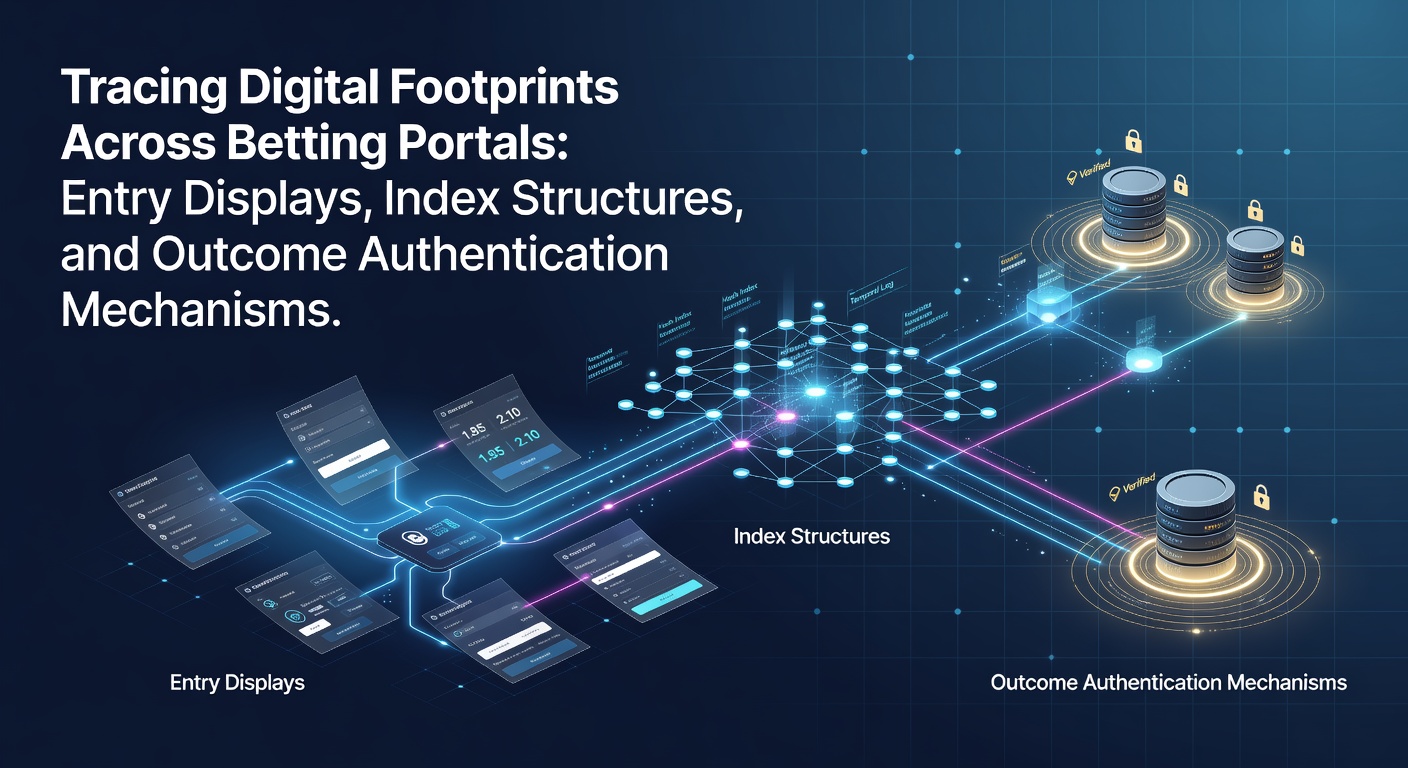 Entry displays on betting portals serve as the initial point of contact where users encounter structured layouts that guide navigation from the moment a page loads, and these interfaces often incorporate elements like promotional banners alongside account access prompts that record user interactions through embedded tracking scripts. Research from regulatory bodies indicates that such entry points collect metadata on device types, referral sources, and session durations, which then feed into broader analytics systems used by operators to refine user pathways. Observers note that index structures form the backbone of site organization, typically consisting of hierarchical menus that categorize sections such as sports markets, live events, and account management tools, while these frameworks rely on database queries that map user selections to specific content blocks. Data from industry reports shows how these structures enable efficient load times by pre-rendering common index pages, allowing portals to handle high traffic volumes without compromising response speeds during peak betting periods.
Entry Display Mechanisms and Initial Data Capture
Betting portals deploy entry displays that blend visual hierarchies with functional components, and these designs frequently position login fields prominently to facilitate quick authentication while background processes log IP addresses and browser fingerprints. According to findings from the Nevada Gaming Control Board, operators maintain logs of entry patterns that help identify anomalous access attempts, creating a digital trail that extends from the first page view through subsequent clicks.
Users who arrive via affiliate links or search results encounter tailored entry displays that adapt based on geolocation data, and this personalization stems from algorithms that cross-reference prior session histories stored in secure cookies. The process ensures that displayed odds and available markets align with regional compliance requirements, yet it simultaneously builds comprehensive profiles of user preferences without requiring explicit input beyond initial navigation choices.
Index Structures and Navigational Pathways
Index structures organize content into layered categories that support both desktop and mobile formats, with dropdown menus and sidebar filters directing users toward specific betting options or historical data archives. Studies conducted by academic researchers at the University of Nevada, Las Vegas highlight how these indexes integrate API endpoints that pull real-time updates, ensuring that listed events reflect current availability while maintaining audit trails for each query executed.
Portal developers implement breadcrumb navigation within these indexes to allow backward tracing of user journeys, and this feature proves essential during compliance audits where authorities review how individuals progressed from general overviews to detailed wager placements. What's interesting here is that index structures also incorporate search bars equipped with auto-suggest functions, which capture partial queries to anticipate user intent and refine future recommendations accordingly.
Outcome Authentication Mechanisms in Practice
Outcome authentication mechanisms verify bet results through encrypted ledgers that cross-check final scores against third-party data feeds, and these systems generate timestamps alongside unique identifiers for each resolved wager. Reports from the Malta Gaming Authority demonstrate that such verification processes reduce discrepancies by routing outcomes through centralized hubs where operators and regulators access identical records simultaneously.
Users access authenticated results via dedicated portals that display payout confirmations and transaction histories, while backend processes flag any mismatches for manual review by compliance teams. In June 2026, updates to digital ledger standards across multiple jurisdictions are set to introduce enhanced blockchain integrations that further secure these authentication chains against tampering attempts.
Authentication extends to multi-factor confirmations during high-value settlements, where portals require additional validation steps before releasing funds, and this layered approach aligns with broader efforts to maintain transparency in payout distributions. Those who've examined portal architectures observe that these mechanisms often embed QR codes or direct links to external verification services, enabling independent confirmation of outcomes without relying solely on operator-provided data.
Integration Across Digital Footprint Elements
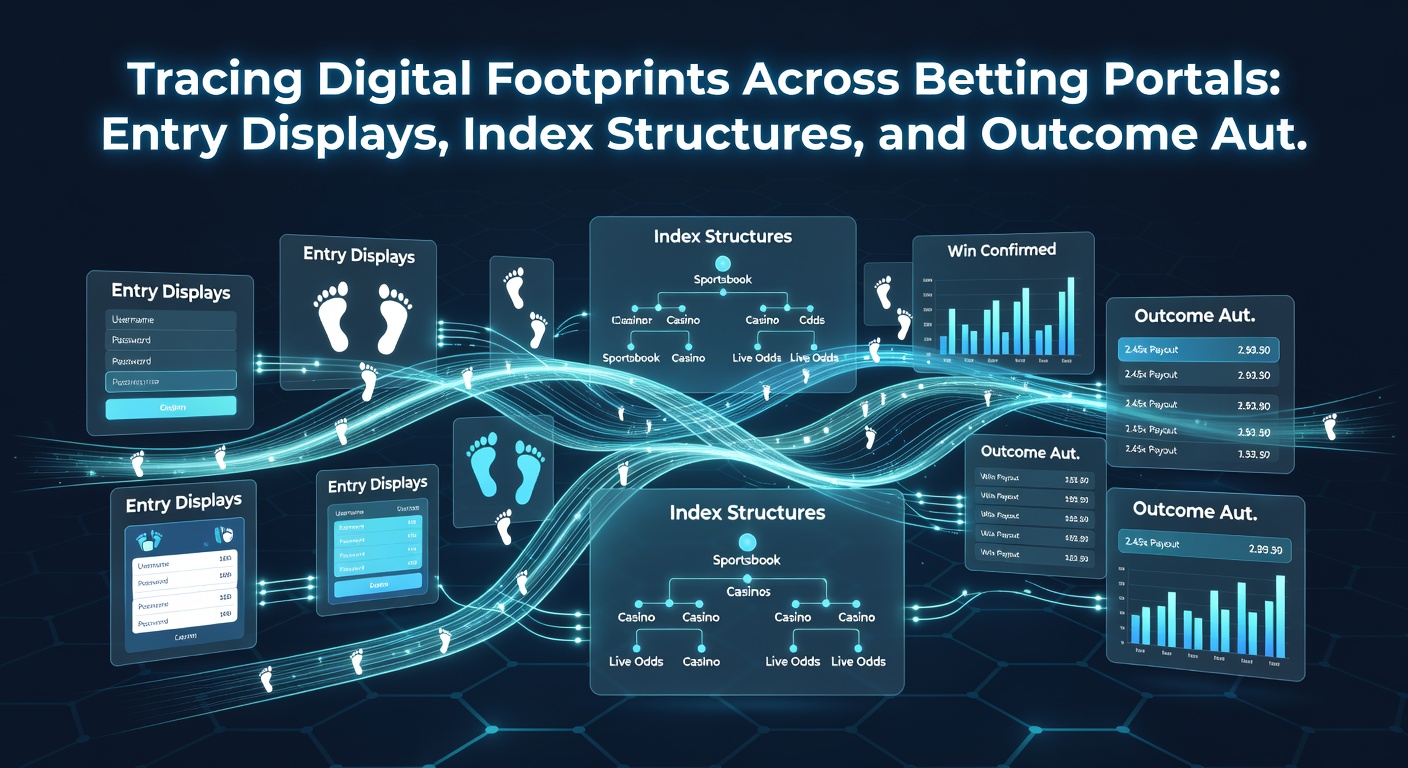
Entry displays feed data into index structures that subsequently direct users to authentication endpoints, creating an interconnected system where each component logs sequential actions in unified databases. Figures from the Australian Communications and Media Authority reveal that integrated tracking supports regulatory oversight by allowing authorities to reconstruct complete user sessions from initial access through final outcome verification.
Operators utilize these combined footprints to optimize site performance, adjusting index visibility based on entry patterns while strengthening authentication protocols to meet evolving security benchmarks. The reality is that such tracing capabilities also assist in detecting patterns associated with automated scripts or coordinated access attempts across multiple accounts.
Conclusion
Digital footprints across betting portals emerge through the coordinated operation of entry displays, index structures, and outcome authentication mechanisms that together form traceable pathways documented in operational logs. Regulatory frameworks from various regions continue to shape how these elements evolve, particularly with scheduled advancements in June 2026 aimed at bolstering verification standards. Observers note that understanding these interconnected systems provides clarity on how portals maintain records of user activities from first interaction to result confirmation, supporting both operational efficiency and compliance objectives.