Network Hierarchies in Licensed Play Systems Lead Directly to Verified Disbursement Points
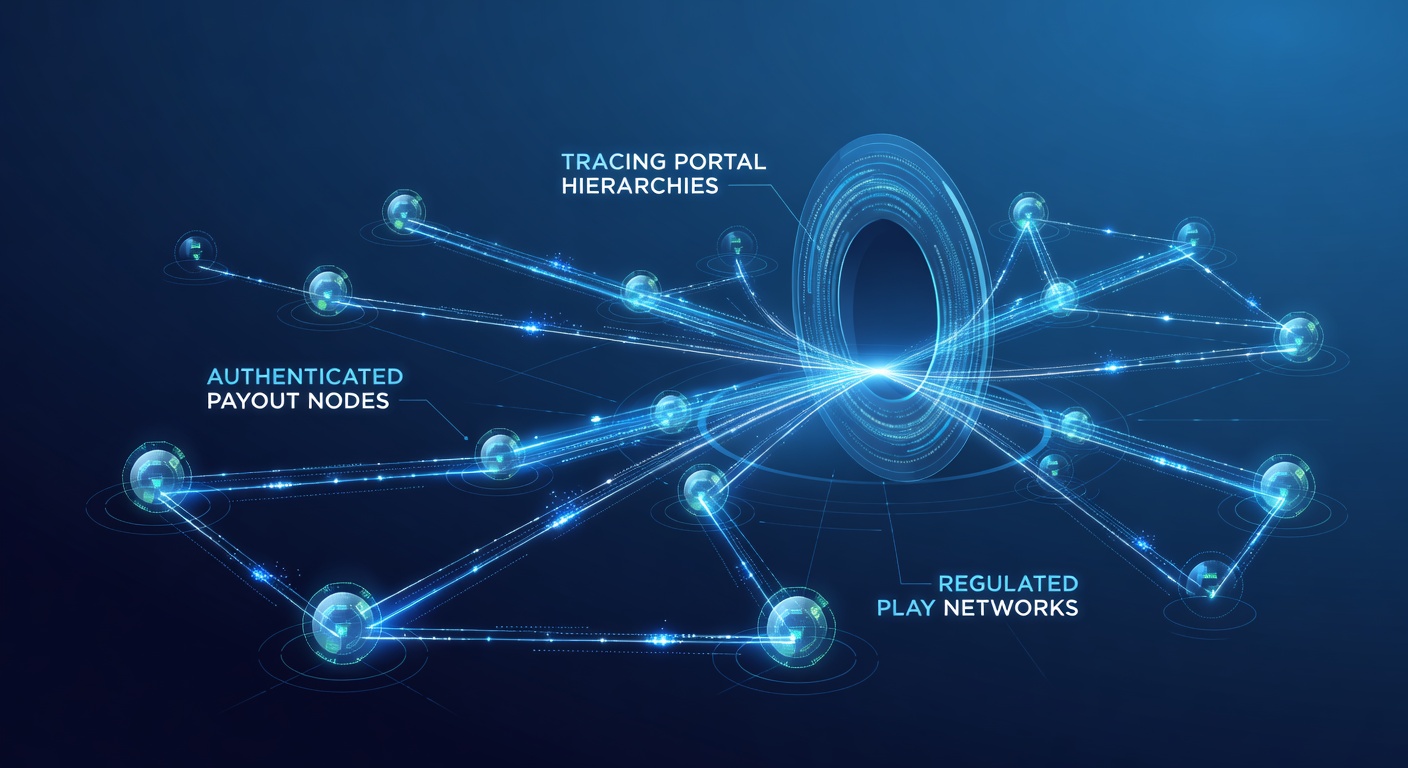 Regulated play networks organize their digital infrastructure through multiple layers that guide traffic from initial portals toward secure endpoints where payouts receive full authentication, and this structure supports compliance across different jurisdictions. Observers note that such hierarchies allow operators to maintain clear audit trails while meeting technical standards set by oversight bodies in regions like Australia and parts of North America. Data from industry reports indicate these layered designs emerged prominently as regulators demanded better traceability for financial transactions in digital entertainment platforms.
Portal Layers Form the Foundation
Entry portals serve as the starting points in these networks, and they connect through intermediate directories that categorize games, user accounts, and transaction histories. Researchers have documented how each layer adds verification checkpoints before traffic moves forward, which helps isolate issues when discrepancies appear in payout records. In May 2026 several licensing authorities updated their guidelines on digital mapping requirements, requiring operators to document every step between user access and fund disbursement nodes.
Those who've examined these systems find that intermediate nodes often handle session management and preliminary checks, while deeper levels manage cryptographic signing of payout requests. This progression ensures that only validated requests reach the final authenticated nodes where actual transfers occur. Figures from regulatory filings reveal consistent adoption of such multi-tier models in licensed European and Canadian markets throughout early 2026.
Authentication Mechanisms at Payout Nodes
Authenticated payout nodes operate as the terminal points where identity confirmation, balance verification, and regulatory reporting converge. These nodes integrate with external banking rails and must satisfy real-time checks mandated by licensing conditions. Experts have observed that successful routing through prior hierarchy levels reduces processing delays at these endpoints, since preliminary data validation already took place upstream.
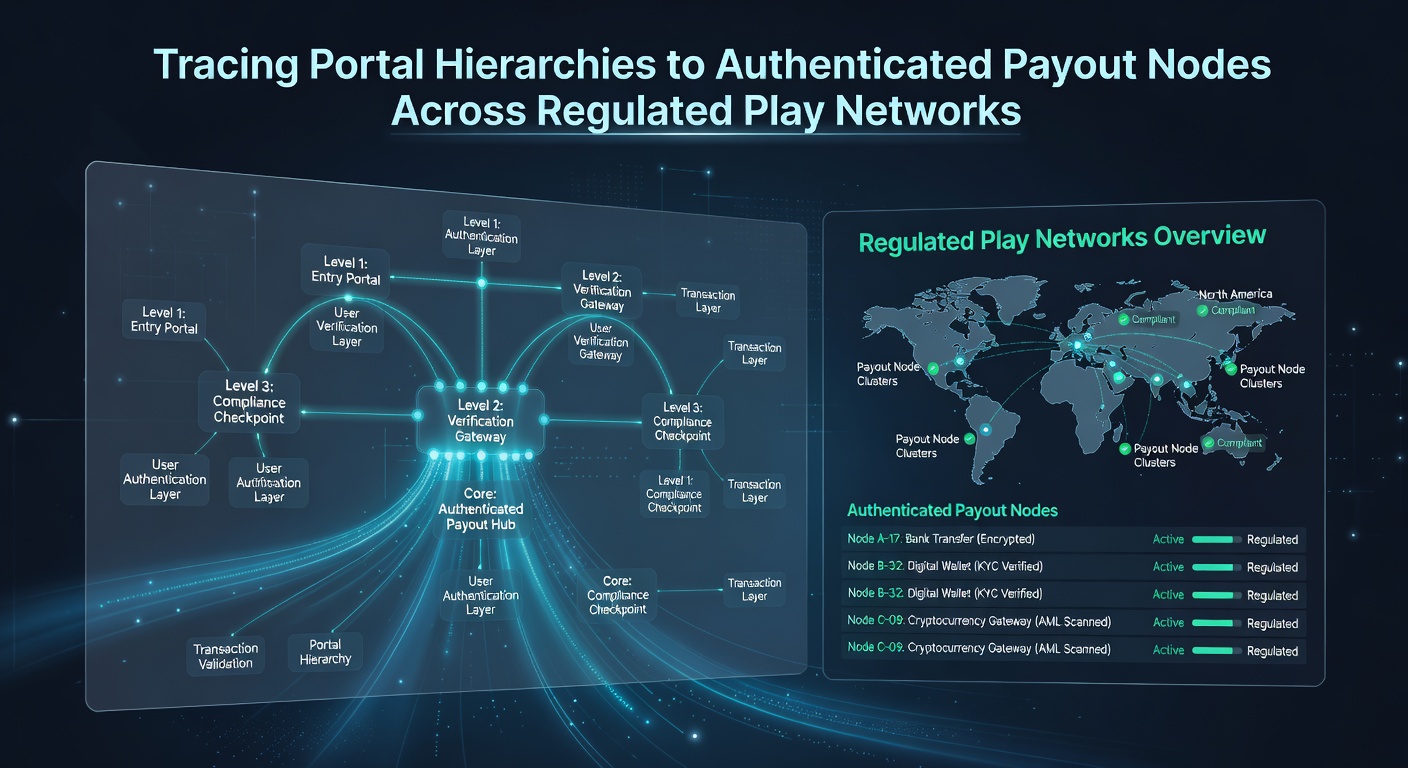
According to reports issued by the Australian gambling research network, operators that maintain transparent hierarchies experience fewer compliance flags during routine audits. The same reports highlight that payout nodes frequently log every preceding portal interaction, creating an unbroken chain that regulators can review when needed. Yet the process remains efficient because each layer performs specialized tasks rather than duplicating efforts.
Regulatory Drivers Behind Hierarchical Designs
Licensing frameworks in multiple regions require operators to demonstrate clear separation between user-facing portals and backend transaction systems. This separation supports independent testing of payout accuracy and helps prevent unauthorized access to financial modules. Data indicates that jurisdictions such as those overseen by iGaming Ontario and certain US state regulators have incorporated explicit mapping requirements into their 2026 compliance checklists.
One study revealed that platforms using well-defined hierarchies reduced average dispute resolution times by maintaining accessible logs at each level. Observers note this advantage becomes especially relevant when cross-border transactions trigger additional verification layers. The structure also aligns with broader digital service standards that emphasize accountability in entertainment platforms.
Technical Pathways and Data Flow
Traffic moves through API gateways and routing tables that enforce the established hierarchy, and each transition carries metadata confirming prior authentication steps. Researchers discovered that this metadata allows payout nodes to execute final approvals without repeating earlier security processes. In practice the flow resembles a directed graph where every edge represents a verified handoff between system components.
Industry organizations have reported steady improvements in transaction success rates among operators who publish internal network diagrams during licensing renewals. These diagrams help demonstrate that payout nodes sit behind sufficient protective layers while remaining reachable for legitimate user requests. The approach avoids unnecessary complexity yet satisfies the traceability demands that became stricter in mid-2026.
Conclusion
Hierarchical portal designs continue to underpin secure operations across regulated play networks by guiding requests through successive verification stages until they reach authenticated payout nodes. Regulatory updates in May 2026 reinforced the need for documented pathways, while technical implementations have adapted to maintain both speed and compliance. Evidence from multiple oversight regions shows these structures support reliable fund disbursement without compromising the controls required by licensing authorities.