Navigating Virtual Gambling Platforms: Linking User Entry Designs with Result Displays and Trust Evaluations
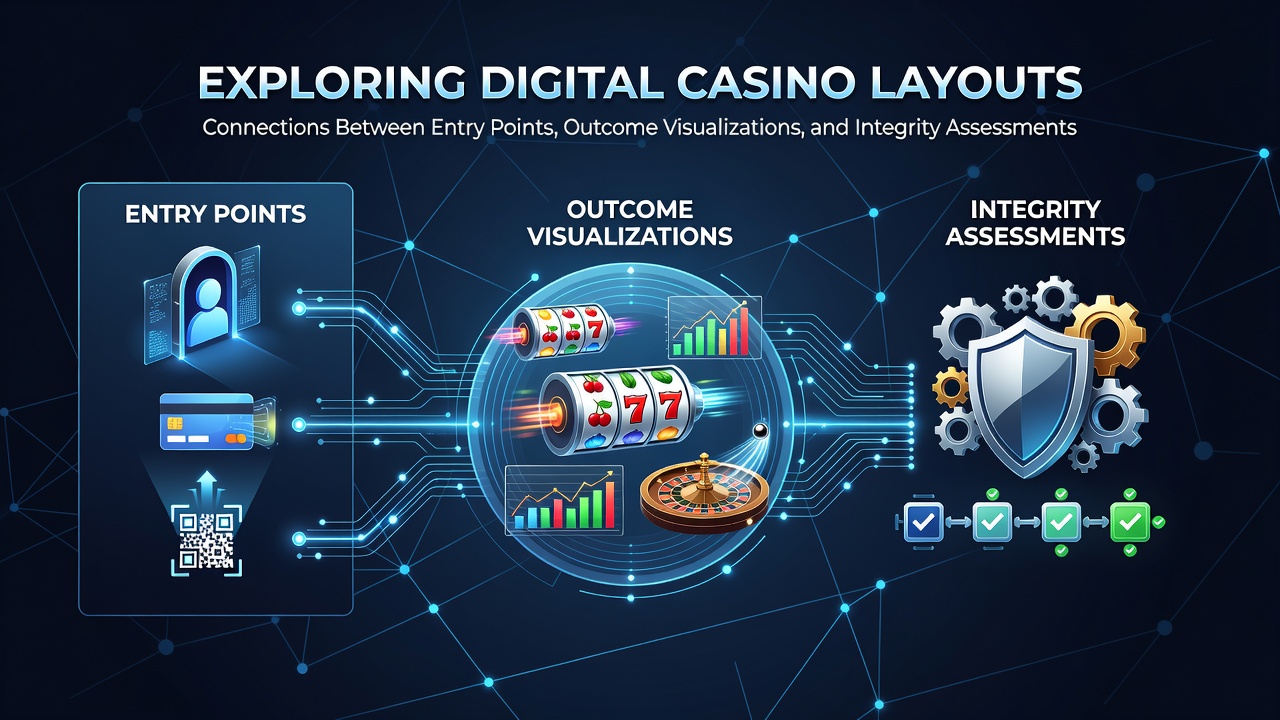
Digital casino platforms organize their structures around entry points that guide users from initial landing pages toward outcome visualizations and integrity assessment tools, while observers note how these elements interconnect through specific navigation patterns and data presentation methods. Research from the University of Nevada Reno indicates that homepage designs typically feature prominent registration prompts and game category menus that direct traffic toward result displays and verification sections. Those who've analyzed multiple sites find that entry points often incorporate search bars and promotional banners which connect directly to live outcome feeds, creating pathways that users follow to review game results and security credentials.
Entry Points and Their Structural Role
Entry points in online casino environments consist of homepages, category indexes, and promotional gateways that establish the first layer of user interaction, and data shows these areas frequently embed links to outcome visualization modules. Studies conducted by the Nevada Gaming Control Board reveal that successful platforms position login and registration forms alongside game thumbnails, allowing seamless transitions into result display areas. What's interesting is how some sites integrate regional compliance notices at these entry stages, directing visitors toward jurisdiction-specific integrity resources without requiring additional navigation steps.
People who've examined platform architectures observe that mobile-optimized entry points mirror desktop versions yet adapt menu hierarchies to smaller screens, maintaining connections to the same outcome and verification endpoints. According to reports from the American Gaming Association, entry designs in 2025 incorporated enhanced accessibility features that improved pathways to payout verification pages, resulting in measurable increases in user engagement with integrity tools.
Outcome Visualizations Across Platforms
Outcome visualizations present game results through animated reels, statistical charts, and real-time win notifications that link back to the entry points users first encountered. Observers note that these displays often appear in dedicated result hubs accessible via sidebar menus or footer links, providing detailed breakdowns of individual game sessions and aggregate performance data. Research indicates that platforms updated their visualization interfaces in early 2026 to include interactive elements, allowing users to filter results by date ranges and game types while maintaining connections to underlying integrity verification systems.
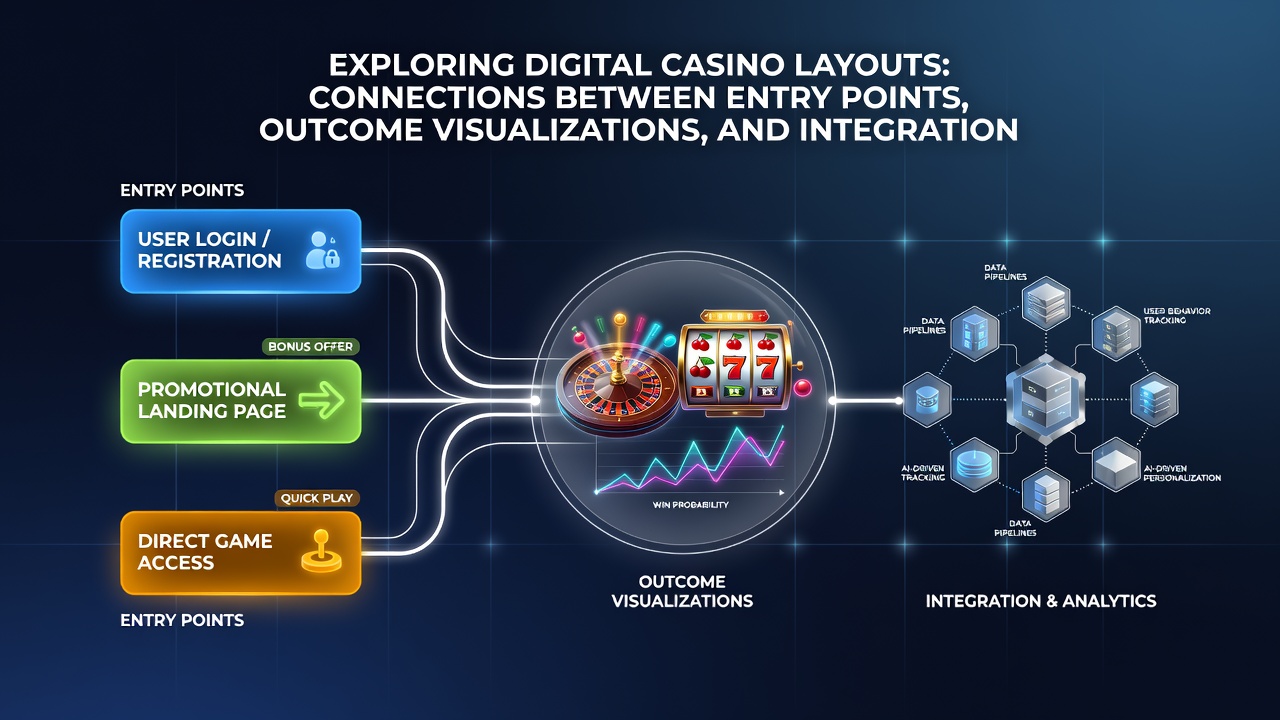
Figures from industry analyses show that visualization tools frequently embed direct links to third-party audit reports, creating integrated experiences where users move from result displays to security documentation without leaving the platform environment. Experts have observed that these connections help establish transparency, particularly when platforms display cryptographic seals or timestamped transaction logs alongside win notifications.
Integrity Assessments and Verification Pathways
Integrity assessments appear through dedicated security pages, audit summaries, and payout proof sections that connect with both entry points and outcome visualizations via consistent navigation elements. Data from the Canadian Gaming Association demonstrates that platforms incorporating multiple verification pathways saw higher retention rates among users who accessed these resources after viewing game results. Those studying platform designs note that integrity tools often include downloadable reports and live chat options for direct queries about specific transactions, extending the connections established at entry points.
By June 2026 several jurisdictions outside the UK implemented updated digital verification standards requiring platforms to display real-time integrity metrics on outcome pages, and reports from the Australian Communications and Media Authority confirm these changes improved user access to assessment data. Researchers discovered that cross-linking between result visualizations and audit sections reduced the number of steps needed to verify platform credentials, streamlining the overall user journey from initial entry to final trust evaluation.
Connections and Navigation Patterns
The relationships between entry points, outcome visualizations, and integrity assessments form interconnected networks where each component references the others through shared menus, embedded links, and contextual prompts. Studies reveal that users who begin at promotional entry banners frequently progress through outcome displays before reaching integrity sections, following patterns that platform designers intentionally create. What's significant is how breadcrumb navigation and persistent footer links maintain these connections across different sections, allowing return visits to earlier stages without losing context.
Analyses of platform traffic patterns indicate that direct links from outcome visualizations to integrity reports increase the likelihood of users completing full verification cycles. Observers note that some sites employ progress indicators during these transitions, showing users how far they've moved through the sequence from entry to assessment. Evidence from academic reviews suggests these structured pathways support regulatory compliance efforts across multiple regions by making verification resources more accessible at every stage.
Conclusion
Digital casino layouts establish clear connections between entry points, outcome visualizations, and integrity assessments through deliberate design choices and navigation structures. Research continues to document how these elements interact, providing users with pathways that support both gameplay review and security verification across evolving platform standards.