Navigating Gambling Site Frameworks: Homepage Features Linked to Outcome Checks and Tactical Practice Tools
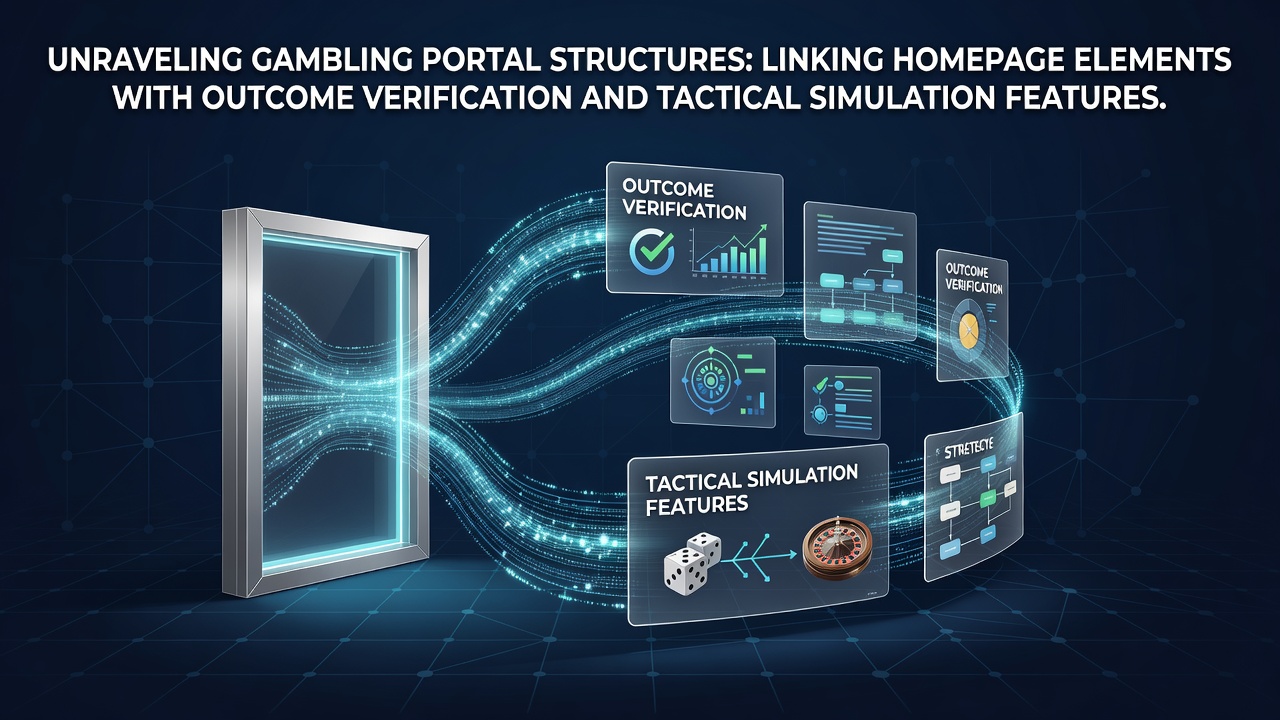
Online gambling platforms organize their structures around clear navigation paths that start at the homepage and extend toward verification displays along with simulation zones; these connections allow users to move from initial entry points to confirmed results and practice environments without unnecessary detours. Data from regulatory reports in 2026 shows that many sites maintain this layered approach to keep information accessible while supporting user verification needs.
Homepage Components and Their Direct Connections
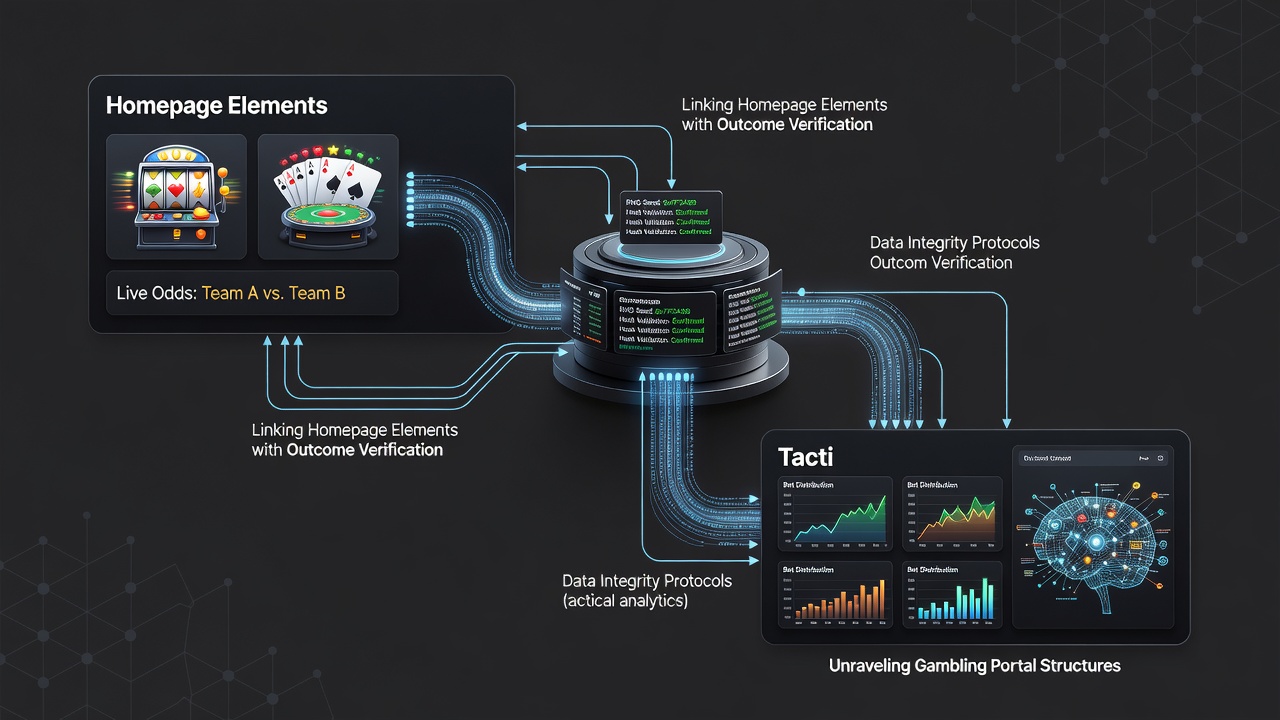
Homepage layouts typically feature prominent banners, menu bars, and quick-link sections that direct attention to outcome verification areas and tactical testing modules; researchers at institutions such as the University of Nevada's gaming studies program have documented how these elements reduce steps between entry and confirmation tools. Navigation often includes dedicated buttons for live result feeds or demo access, and analysts note that such designs appear consistently across multiple jurisdictions because they align with user behavior patterns observed in traffic studies.
Site indexes sit alongside these main sections to list categories like game types, verification logs, and simulation options; one study from a European research consortium found that clear indexing correlates with higher engagement rates in result-checking features. Observers point out that when homepages integrate these indexes effectively, users reach payout proofs or strategy simulators faster, which in turn supports the platform's overall transparency goals.
Outcome Verification Pathways
Verification hubs connect directly from homepage elements through links that lead to audited payout records and real-time result streams; these pathways often use visual cues such as highlighted icons or progress indicators to guide users. Figures from industry analyses reveal that platforms updated their verification interfaces in early 2026 to include more detailed transaction histories, responding to demands for clearer data presentation.
Security audit sections appear as secondary destinations reached via homepage footers or sidebar menus, and experts have observed that direct links to third-party certification logos strengthen user trust in outcome accuracy. What's notable is how these connections maintain separation between promotional content and factual verification data, ensuring the two do not overlap in confusing ways.
Tactical Simulation Features and Integration
Simulation zones for testing strategies sit one or two clicks away from homepage navigation, frequently through dedicated demo buttons that open practice environments without requiring account creation. Research indicates these modules replicate core game mechanics accurately, allowing users to explore outcome patterns in controlled settings before engaging with real stakes.
Links between simulation tools and verification displays appear in several platform designs, where practice results feed into sample verification reports that mirror live formats; this integration helps users understand how outcomes translate into documented records. Data collected by gaming associations in Australia shows increased usage of such combined features during periods when regulatory updates emphasized player education resources.
Structural Patterns Observed in June 2026
Platform updates rolled out around June 2026 introduced refined linking between homepage menus and both verification and simulation areas, with several operators adding collapsible sections to keep pages uncluttered. Those who track these changes report that the modifications followed broader industry shifts toward modular content delivery, where users select only the information layers they need.
Cross-referencing between result verification and tactical simulators became more common in these updates, as sites embedded quick-access tabs that pull verified data into practice interfaces. Analysts from North American regulatory bodies have noted that such patterns support compliance efforts without altering core gameplay experiences.
Conclusion
Gambling portal architectures continue to evolve around the principle of linking homepage elements directly to outcome verification tools and tactical simulation options; these connections create measurable pathways that data from multiple regions confirm as standard practice. The structures observed through 2026 demonstrate consistent design choices aimed at accessibility and clarity across different regulatory environments.