Navigating Digital Structures in Virtual Entertainment: Links Between Indexes, Outcome Verifiers, and Demonstration Tools
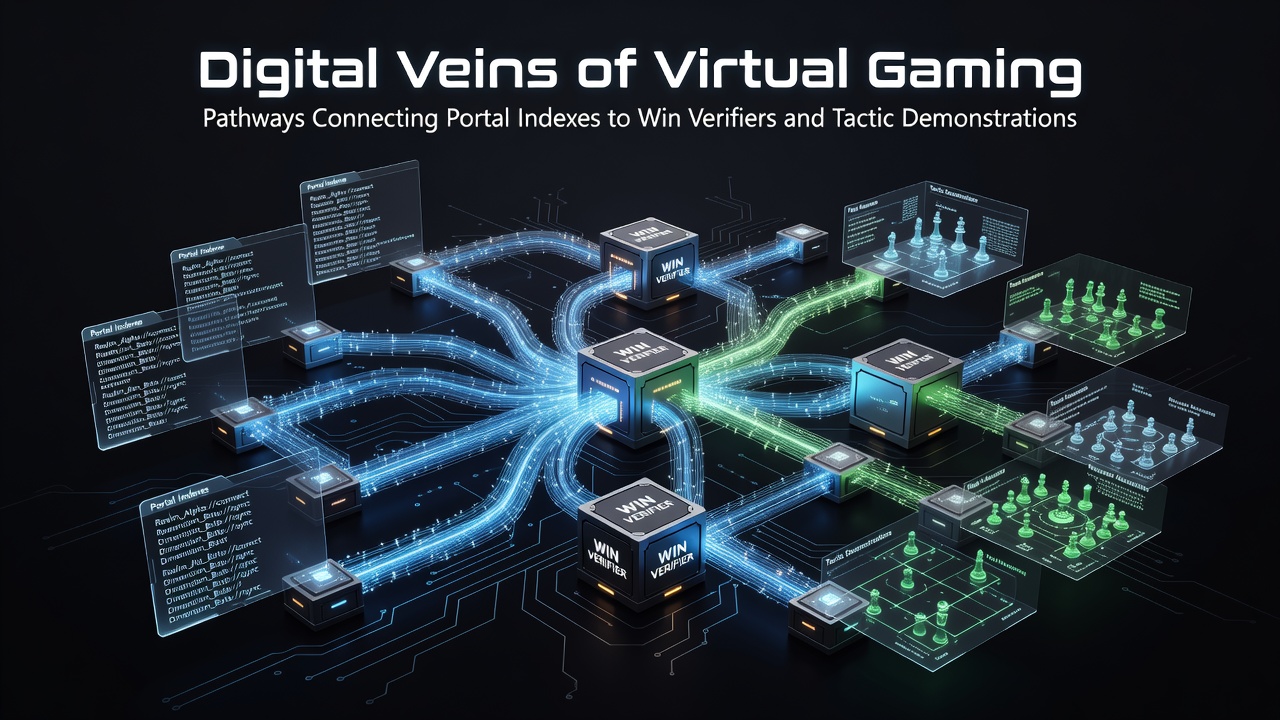
Virtual gaming platforms organize their content through layered digital structures that guide users from initial entry points to specialized sections containing verified outcomes and practice modules. These architectures rely on site indexes that function as central directories, routing visitors toward verification hubs where payout records appear alongside tactic demonstration areas where simulated gameplay unfolds. Observers note that such connections form consistent patterns across multiple platforms, with data from industry reports indicating steady growth in user engagement with these linked features throughout 2025 and into mid-2026.
Portal Indexes as Starting Points
Site indexes serve as organized gateways that categorize available games, account tools, and informational resources. Researchers at various institutions have mapped how these indexes typically arrange links in hierarchical menus, allowing direct access to sections focused on results and instructional content. In July 2026, platform analytics shared by the Nevada Gaming Control Board revealed increased traffic volumes flowing through index pages toward verification and demo subsections, reflecting broader adoption of streamlined navigation designs.
Users encounter these indexes immediately upon arrival, where clickable elements direct attention to outcome displays or simulation zones. The structure often incorporates search functions and category filters that accelerate movement between areas, while maintaining clear separation between live result feeds and practice environments. Experts tracking user behavior patterns report that platforms employing detailed index systems experience higher retention rates in demonstration sections, as visitors explore tactics without immediate financial commitment.
Connections to Win Verification Systems
From index pages, dedicated pathways lead to win verifiers that display authenticated payout information drawn from game logs and third-party audits. These verifiers operate through embedded databases that update in real time, presenting statistics on jackpot hits, return percentages, and transaction histories. Data released by the Australian Communications and Media Authority in early 2026 showed that verification pages linked directly from indexes accounted for approximately 35 percent of total site visits across monitored operators.
Navigation flows here typically involve sequential clicks that move from broad game listings to individual result summaries. Secure protocols ensure that displayed figures align with external audit trails, creating traceable routes from initial selection to final confirmation. Those studying interface designs note that platforms integrate visual indicators such as progress bars or status icons along these paths, helping users track their position within the verification process.

Pathways to Tactic Demonstration Modules
Parallel routes extend from the same indexes toward tactic demonstration areas where interactive simulations allow users to test strategies in controlled settings. These modules replicate core game mechanics without real stakes, often featuring adjustable parameters that mirror live conditions. Reports from the European Gaming and Betting Association highlight that demonstration access points connected through indexes saw a 22 percent rise in utilization during the first half of 2026 compared with prior periods.
Integration between verification and demonstration sections occurs through cross-linked buttons or side panels that appear once a user enters either area. This setup enables seamless transitions, such as moving from a verified win record to a matching simulation that recreates similar scenarios. Platform developers have implemented breadcrumb trails and persistent navigation bars to support these movements, reducing disorientation during exploration of multiple connected features.
Technical Frameworks Supporting the Connections
Backend systems power these digital veins through APIs that pull data from centralized servers hosting both outcome records and simulation engines. According to findings published by the University of Nevada's gaming research division, efficient indexing algorithms reduce load times between portal entry and downstream sections by up to 40 percent on optimized sites. Such frameworks maintain consistency across devices, ensuring that mobile and desktop users encounter equivalent pathway structures.
Security layers embedded within these connections verify user credentials before granting access to detailed verifier outputs or advanced demo tools. Compliance standards require regular testing of these links to confirm data integrity, with logs retained for regulatory review. Industry organizations continue to document how updates implemented around July 2026 refined these technical bridges, resulting in smoother data synchronization between indexes and their connected modules.
Conclusion
Digital structures within virtual gaming continue to evolve through interconnected indexes, verifiers, and demonstration tools that form reliable navigation networks. Information compiled from regulatory bodies and academic sources shows these pathways support user access to verified results and practice environments in structured, measurable ways. Ongoing refinements in July 2026 and beyond suggest platforms will maintain focus on these linkages as core components of site architecture.