Modular Frameworks in Virtual Casinos: Connecting Initial Access Points to Achievement Confirmation Systems
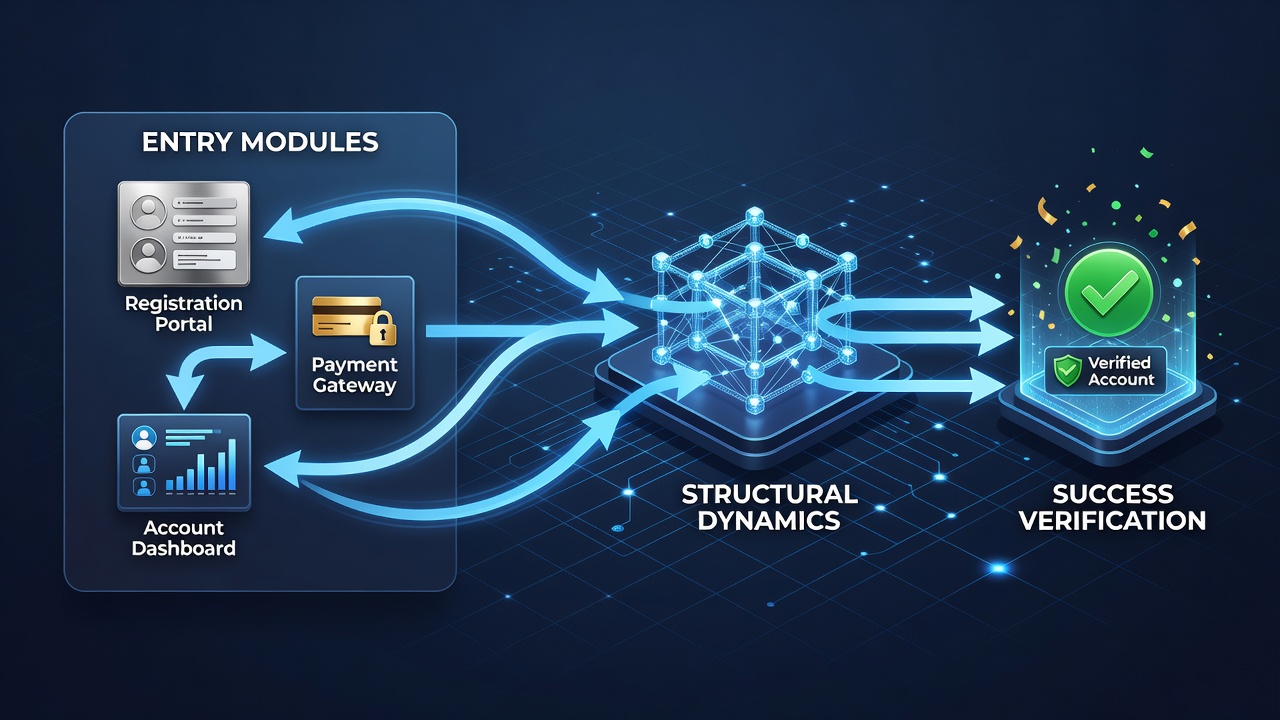
Digital casino platforms rely on carefully designed modular structures that guide users from initial entry points through layered systems toward verified outcomes, and these frameworks determine how access pathways integrate with confirmation processes across multiple operational layers. Researchers studying platform architecture have mapped how entry modules function as gateways that feed data streams into verification hubs, creating sequences where user interactions trigger backend checks without disrupting the overall flow.
Entry Modules as Foundational Components
Entry modules in digital casino environments typically encompass landing pages, registration interfaces, and authentication gateways that collect initial user data while establishing session parameters for subsequent operations. Studies from industry research groups indicate these modules operate through standardized protocols that capture variables such as device identifiers and location signals before routing information toward centralized processing units. Those who analyze platform designs note that entry points often incorporate dynamic elements including dropdown selectors for game categories alongside secure login forms that encrypt transmissions during the handoff to deeper system layers.
Platform engineers design these modules to handle high volumes of concurrent accesses by distributing loads across server clusters, which allows seamless transitions when users progress from browsing options to account setup stages. Data from operational reports shows that effective entry modules reduce latency during the first few seconds of interaction, thereby supporting stable connections that carry forward into verification sequences later in the user journey.
Structural Dynamics and Data Flow Pathways
The dynamics linking entry modules to success verification involve interconnected data pipelines that transmit signals through intermediate processing nodes, where algorithms assess compliance with predefined rules before granting access to outcome displays. Observers of these systems describe how structural elements such as API endpoints and database linkages form chains that validate actions in real time, ensuring each step from module entry aligns with confirmation requirements. And because these connections rely on event-driven triggers, a single user action at the entry stage can initiate multiple parallel checks across security and accounting subsystems.
What's notable here involves the role of modular separation, which permits independent updates to individual components without halting the entire verification chain. For instance, one platform might adjust its registration module for enhanced biometric options while leaving the outcome validation layer untouched, maintaining continuity in how achievements receive authentication. Reports from academic research centers highlight that such flexibility stems from object-oriented coding practices that isolate functions yet preserve communication channels between them.
Verification Systems and Outcome Authentication
Success verification operates through dedicated modules that cross-reference session data against transaction logs and game result servers, producing authenticated displays only after multiple validation layers complete their cycles. Figures from platform analytics reveal that these systems process thousands of confirmation requests per minute during peak periods, relying on redundant storage mechanisms to prevent data loss during high-traffic intervals. Those examining the architecture point out that verification hubs frequently incorporate timestamp synchronization tools that align entry timestamps with final outcome records, creating traceable audit trails for each completed sequence.
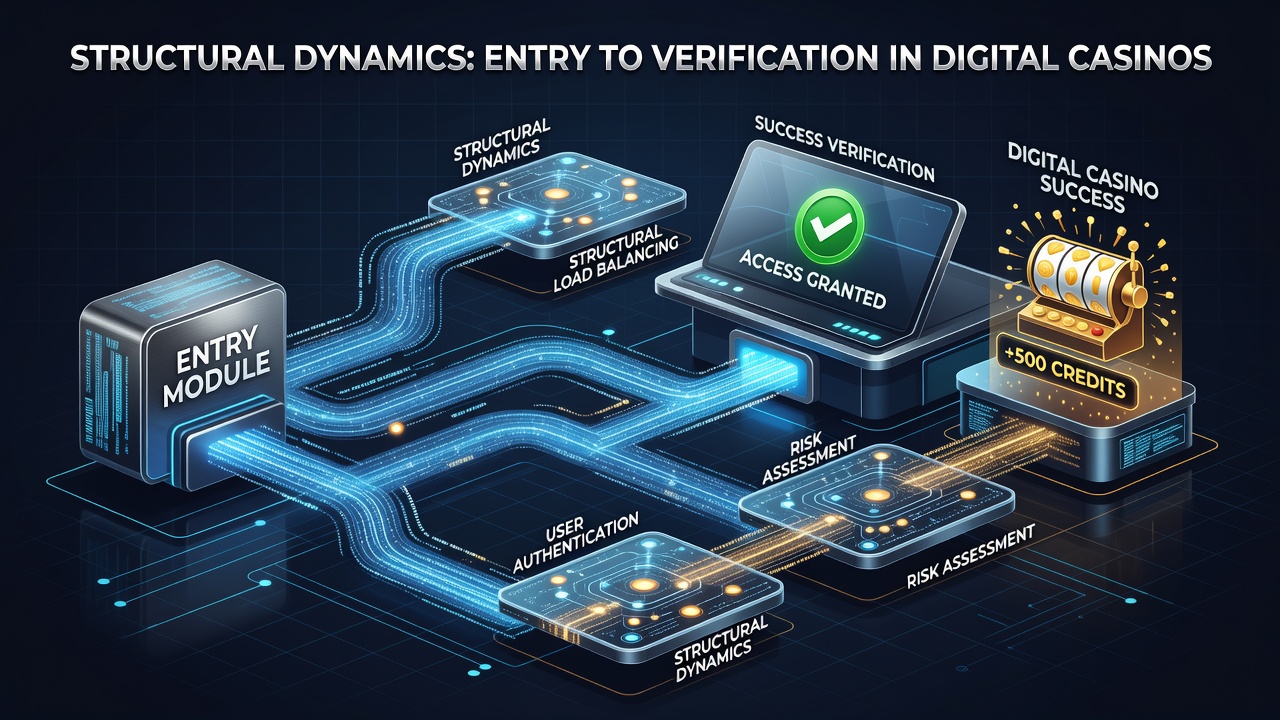
Integration between entry modules and verification components often utilizes middleware solutions that translate user inputs into standardized formats compatible with backend validators. Research indicates this translation step prevents mismatches that could otherwise delay or block confirmation processes, while also enabling scalability when platforms expand their game libraries or regional availability. In July 2026 several operators introduced enhanced middleware protocols that further streamlined these translations, resulting in measurable reductions in verification wait times according to aggregated industry metrics.
Integration Patterns Across Global Platforms
Platforms operating under frameworks established by bodies such as the Pennsylvania Gaming Control Board demonstrate consistent patterns where entry modules feed directly into regional compliance verifiers before routing to universal success authentication engines. Similar structures appear in systems overseen by the European Gaming Regulators Association, where cross-border data flows require additional modular checkpoints that confirm jurisdictional eligibility alongside outcome validation. These patterns underscore how structural design accommodates both local regulations and global operational standards without fragmenting the core linkage between entry and verification.
Case examples from platform development teams show that when entry modules incorporate adaptive interfaces capable of detecting user location, the downstream verification modules receive pre-filtered datasets that accelerate the authentication of wins or session milestones. This pre-processing reduces the computational burden on verification servers, allowing faster response cycles during simultaneous multi-user activities.
Conclusion
Structural dynamics in digital casino platforms establish reliable connections between entry modules and success verification through layered data pathways, modular isolation techniques, and synchronized validation protocols. These elements combine to support consistent performance across varying traffic levels and regulatory environments, with ongoing refinements such as those observed in mid-2026 continuing to optimize the flow from initial access to authenticated outcomes. Platform documentation and operational studies confirm that such architectures remain central to maintaining functional integrity throughout the user experience cycle.