Mapping Directory Architectures to Validation Nodes in Licensed Digital Gaming Environments

Directory structures in licensed gaming platforms organize content into layered hierarchies that guide users from entry points toward verification mechanisms, and these frameworks rely on systematic folder arrangements combined with dynamic routing protocols. Observers note that such architectures typically begin with root directories containing core navigation elements, while subdirectories branch into game libraries, account management areas, and dedicated validation zones where outcome data gets processed and displayed. Research indicates that this organization helps platforms maintain compliance with regulatory standards across multiple jurisdictions, as each layer supports specific functions like data logging and result confirmation without exposing backend processes directly to end users.
Core Components of Directory Organization
Platform developers arrange directories to separate static assets from interactive modules, so root folders hold homepage elements while nested paths lead to individual game instances and their associated verification scripts. Data shows that common patterns include dedicated subfolders for RNG certification records, payout history logs, and live result streams, which connect through API endpoints to external auditing systems. Experts have observed that in environments regulated by bodies such as the Malta Gaming Authority, these structures incorporate mandatory checkpoints that require users to pass through index pages before accessing outcome displays, thereby creating traceable pathways for compliance reviews.
Additional layers often house demo versions alongside full-access versions, allowing platforms to route traffic based on user authentication status while maintaining separate validation nodes for each category. Figures from industry reports reveal that such separation reduces processing conflicts during peak activity periods, and it supports simultaneous tracking of both simulated and real-money outcomes. Those who've examined multiple platforms note consistent use of standardized naming conventions for these directories, which facilitates cross-platform audits and helps regulators verify that validation processes align with established fairness protocols.
Pathways Linking Structures to Outcome Validation
Validation nodes sit at the intersection of directory branches and data processing pipelines, where outcome information from game engines flows into display modules after passing through integrity checks. According to analyses conducted by the Nevada Gaming Control Board, these connections rely on encrypted handshakes between directory endpoints and central verification servers, ensuring that results cannot be altered post-generation. Platforms implement breadcrumb navigation within these paths so users can trace their journey from initial directory access to final confirmation screens, and this design supports both player transparency and regulatory oversight requirements.
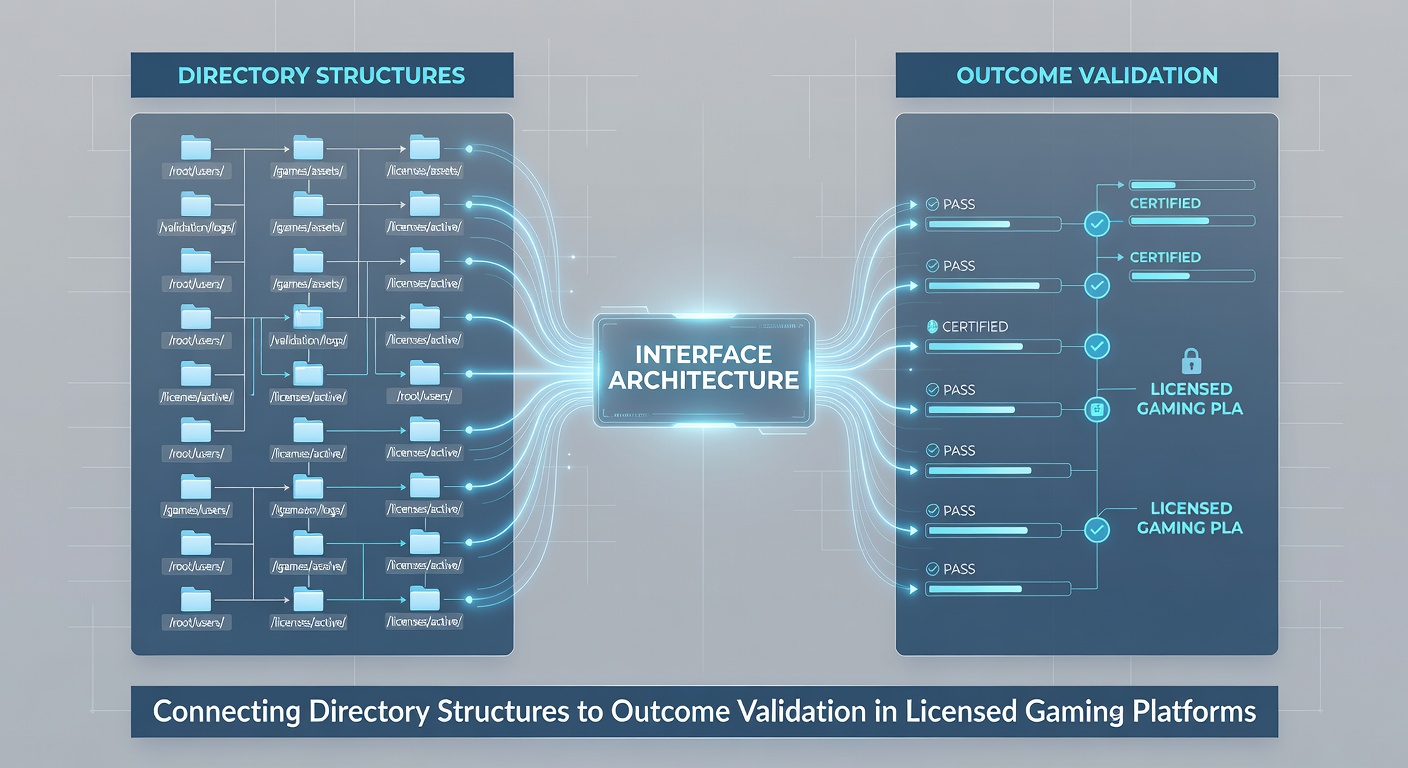
Integration points within the architecture allow for real-time updates to validation displays, pulling live data from game servers while directory structures remain fixed to preserve navigational consistency. Research published through the European Gaming and Betting Association highlights how these systems handle high volumes of concurrent requests by distributing validation tasks across mirrored server clusters, each tied to specific subdirectory branches. Observers point out that this approach minimizes latency between game completion and result presentation, which becomes especially relevant as platforms prepare for expanded digital services projected through May 2026.
Regulatory Influences on Architectural Design
Licensed operators must align their directory and validation frameworks with jurisdiction-specific rules that dictate data retention periods, audit accessibility, and display formatting standards. Government agencies in regions including Australia and Canada have issued guidelines requiring explicit links between game outcome directories and independent testing laboratory records, creating direct pathways for third-party verification. These requirements influence how developers construct subfolder hierarchies, often mandating dedicated validation directories that operate independently from promotional or account sections.
Platform updates scheduled around May 2026 incorporate enhanced logging capabilities within these directory systems, allowing regulators to reconstruct user navigation sequences leading to any given outcome. Industry data indicates that such features help demonstrate adherence to fairness mandates without requiring manual intervention during routine operations. Experts note that operators who maintain clear separation between directory layers and validation nodes experience smoother certification processes when submitting platforms for periodic reviews.
Implementation Patterns Across Licensed Platforms
Multiple operators employ modular directory designs that permit regional customization while preserving core validation connections, so a single platform can serve users under different licensing regimes without structural conflicts. Case examples from North American markets show directories configured to route Canadian players through additional compliance layers before reaching outcome displays, whereas users in other areas follow streamlined paths. These variations demonstrate how architectural flexibility supports regulatory diversity without compromising the fundamental link between directory organization and result validation.
Technical documentation from platform providers outlines standard practices for embedding validation triggers within directory navigation scripts, ensuring that every outcome request activates corresponding checks before rendering results. Such mechanisms operate in the background, maintaining user experience flow while meeting technical standards established by international gaming associations.
Conclusion
Directory architectures in licensed gaming platforms function as foundational frameworks that enable systematic connections to outcome validation processes, supporting both operational efficiency and regulatory compliance across diverse markets. These systems continue to evolve with technological advancements and updated standards, particularly as platforms adapt to new requirements emerging through 2026. The integration of structured pathways with verification nodes remains central to maintaining transparent and auditable gaming environments worldwide.