Mapping Digital Pathways: How Interface Structures Illuminate Established Methods in Virtual Casino Settings

Digital casino platforms organize their content through structured navigation trees that guide users from initial entry points toward specific resources such as payout records and simulation tools, and observers note how these hierarchies often mirror the underlying operational frameworks that support player engagement.
Site architects design these trees with multiple branches including header menus, sidebar indexes, and footer links that connect landing pages to deeper sections containing live result feeds and strategy outlines, while data from industry analyses shows consistent patterns across platforms operating in regulated markets.
Core Elements of Navigation Hierarchies
Homepage gateways typically feature prominent buttons leading to game libraries, account dashboards, and verification hubs, yet teh sub-levels reveal more intricate pathways that include demo mode access points alongside documented outcome trackers, and researchers at institutions like the University of Nevada Las Vegas have documented these structures in reports on user interface design.
Secondary menus often categorize content into areas such as live dealer zones, slot collections, and progressive jackpot displays, but deeper navigation reveals dedicated sections for payout proofs and audit summaries that connect directly to external verification services, and this layering allows platforms to present validated data streams without cluttering primary views.
Pathways to Verified Information
Users following these trees encounter result renderers and win archives that display aggregated performance metrics from previous sessions, while cross-links between demo simulators and real-play outcome pages highlight the transition points where tactics become measurable, and figures from the New Jersey Division of Gaming Enforcement indicate rising volumes of such data disclosures during the first half of 2026.
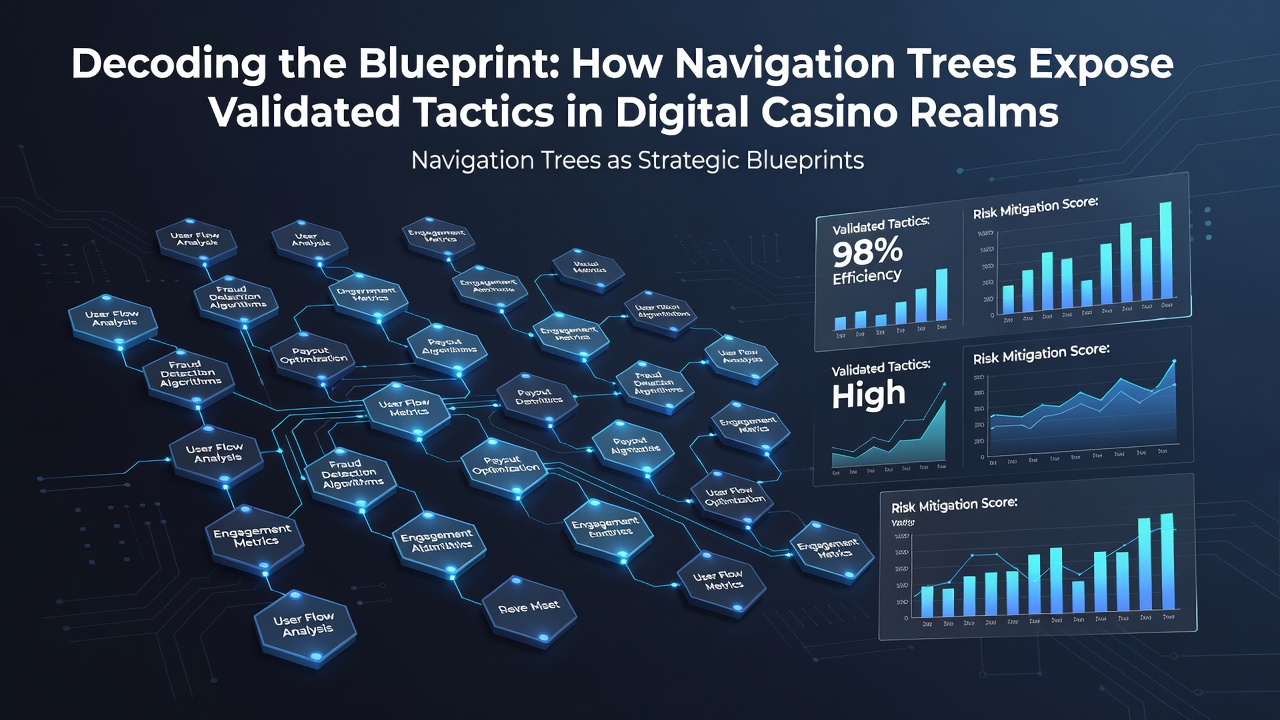
Index pages serve as central nodes that branch into specialized zones for security certifications and transaction histories, yet these connections expose how operators maintain consistency between promotional content and actual performance records, and analysts tracking June 2026 updates note increased emphasis on transparent mapping in response to evolving compliance standards across multiple jurisdictions.
Regional Variations in Structure
Platforms licensed in North American markets tend to prioritize clear routes from promotional banners to regulatory compliance sections, whereas those in European and Asian regions incorporate additional layers for localized game adaptations and regional audit links, but the common thread remains the exposure of tactic validation through sequential menu access.
One documented case involves a major operator whose footer navigation connected directly to third-party testing laboratories, allowing visitors to trace game fairness claims back to original certification documents, and similar patterns appear in reports compiled by the Canadian Gaming Association on interface transparency practices.
Implications for Platform Design
Navigation trees function as blueprints that reveal operational priorities because each branch corresponds to a functional module within the backend systems, and this correspondence becomes evident when users map their journeys from initial entry to completed verification processes.
Developers incorporate breadcrumb trails and expandable accordions that further clarify these connections, enabling efficient movement between sections while maintaining the visibility of validated tactics embedded within the site architecture.
Conclusion
Navigation structures in digital casino environments continue to evolve as operators refine their interfaces to balance accessibility with regulatory demands, and the resulting trees provide clear indicators of where validated information resides within each platform. These organizational systems reflect broader industry shifts toward greater data integration as observed in mid-2026 reporting cycles from various global oversight bodies.