Interface Webs: How Landing Page Layouts Channel Users Toward Verification Hubs and Outcome Validation Tools
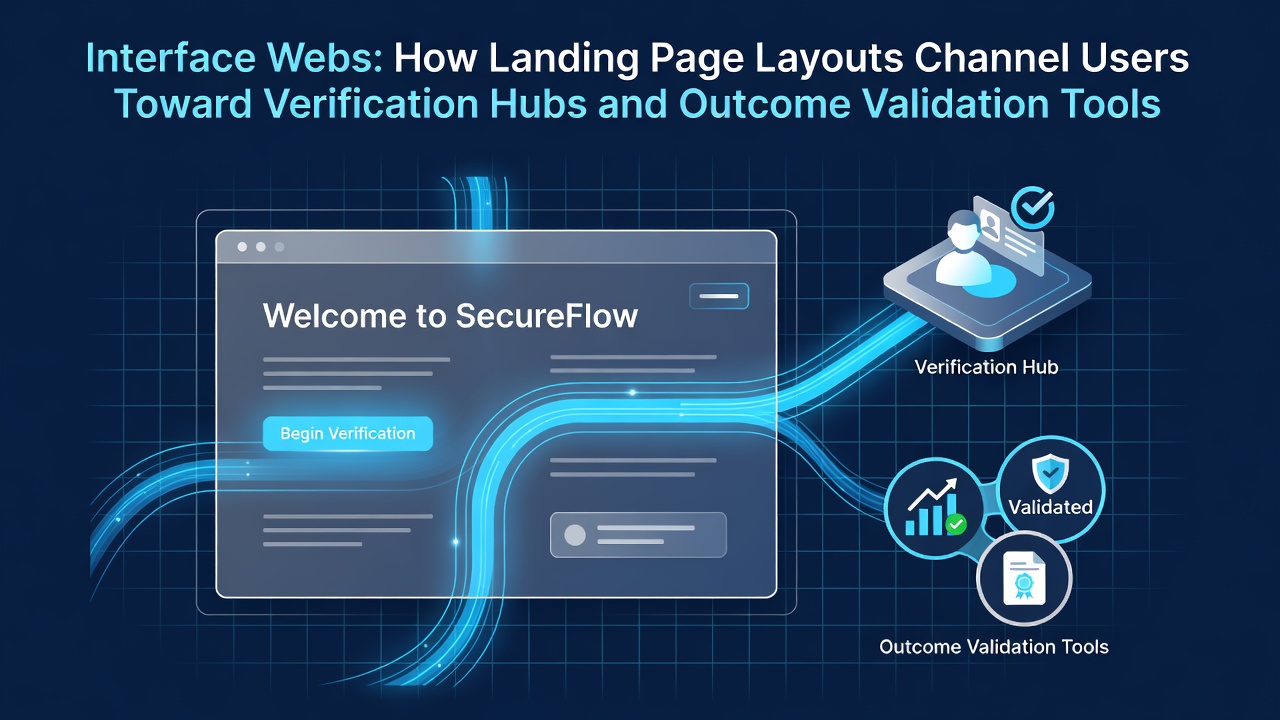 Experts in digital design have tracked how online casino platforms arrange visual elements on entry pages to guide visitors along specific routes, and these arrangements often prioritize pathways that lead directly into account creation followed by identity checks. Data from industry monitoring services shows that prominent call-to-action buttons, positioned in the upper folds of homepages, connect to registration modules where users supply details that then route into separate verification hubs. Observers note that color contrasts and spatial hierarchies on these landing pages draw attention to login prompts while secondary navigation bars list links to outcome displays. Research from the American Gaming Association indicates that such layouts emerged as standard practice across multiple jurisdictions by early 2025, with updates continuing through July 2026 as platforms adjusted interfaces to meet evolving compliance requirements.
Structural Elements That Shape Navigation Flows
Landing pages typically feature hero sections that occupy the top portion of the screen, and within these areas designers place banners promoting welcome incentives alongside direct links to sign-up sequences. Once users complete initial forms, the system redirects them toward dedicated verification portals where document uploads and identity confirmations occur before any gameplay access activates.
Menu structures on these sites frequently include expandable sections labeled as result trackers or validation tools, and clicking those options opens new windows displaying live payout records or strategy simulation areas. According to reports issued by the Nevada Gaming Control Board, platforms must maintain clear separation between promotional content and verification gateways to satisfy transparency standards, which has influenced how footer links and sidebar widgets are arranged.
Pathways Connecting Homepages to Validation Areas
Site indexes list categories such as game libraries, account management, and outcome verification in horizontal or vertical arrangements that encourage sequential clicks, while dynamic elements like progress indicators appear after registration to signal the next required step. Those who've analyzed user session data find that verification hubs sit at intermediate points in these journeys, positioned between initial entry and full access to result feeds or playbook sections.
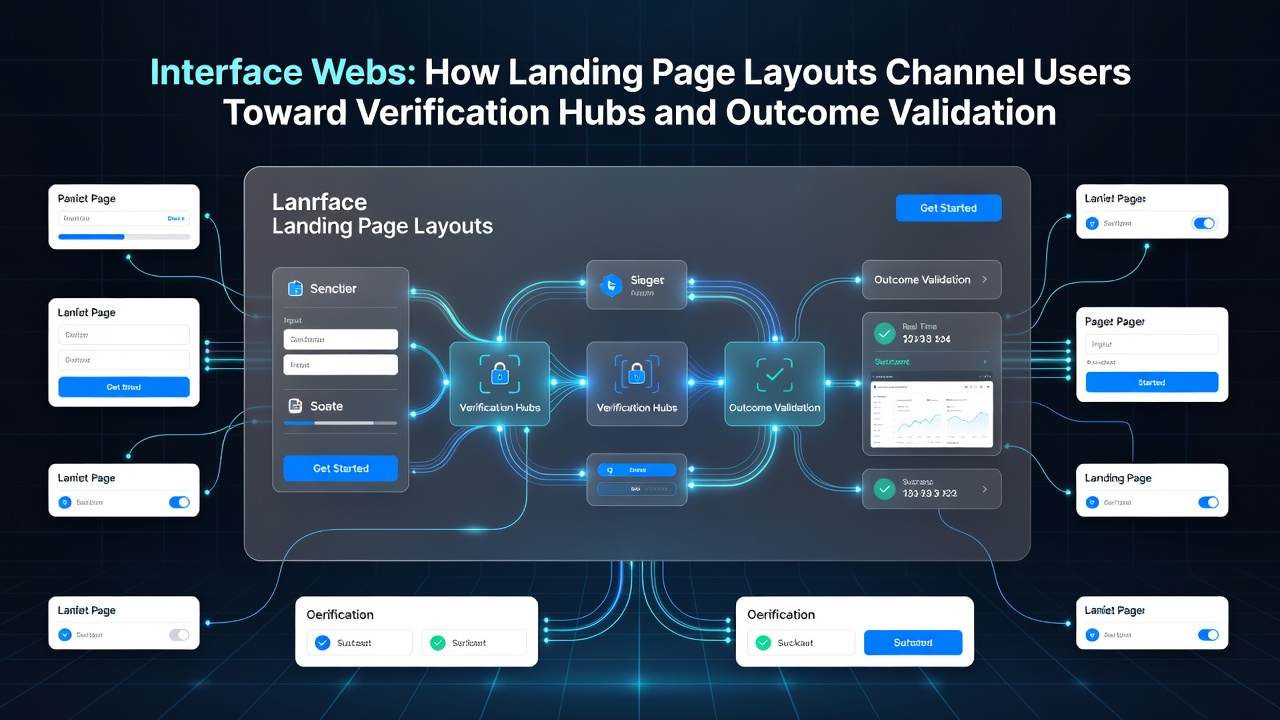
Additional layers appear in the form of pop-up overlays triggered after certain actions, and these overlays contain buttons that channel users toward payout proof pages or live stream displays. Figures from the Canadian Centre for Gaming Research reveal that such layered navigation increased completion rates for verification processes by measurable margins in monitored markets during 2025 and into mid-2026.
Design Patterns Observed Across Platforms
Multiple casino operators apply consistent visual cues including green checkmark icons near verification buttons and progress bars that fill as users advance through stages, and these cues align with broader industry efforts to standardize user experiences while meeting regulatory expectations. External sources such as the Australian Communications and Media Authority have documented how similar patterns appear in licensed operations, where homepage elements direct traffic toward secure validation tools rather than leaving navigation entirely open-ended.
Case examples include platforms that embed outcome validation links directly within account dashboards, allowing seamless transitions from verification completion to result review areas without requiring separate searches. Researchers who examined pixel-level arrangements discovered that button placement in the lower right quadrant of verification screens consistently correlates with higher engagement in validation workflows across tested sites.
Conclusion
Interface arrangements on casino entry points continue to evolve as operators refine routes that connect landing page elements to verification hubs and outcome validation tools, with data from multiple regulatory bodies confirming the persistence of these directional patterns through July 2026. The structural choices reflect both technical requirements and compliance considerations that shape how users progress from initial access points to completed validation sequences.