Directory Layers and Validation Nodes: Illuminating Pathways in Regulated Betting Operations
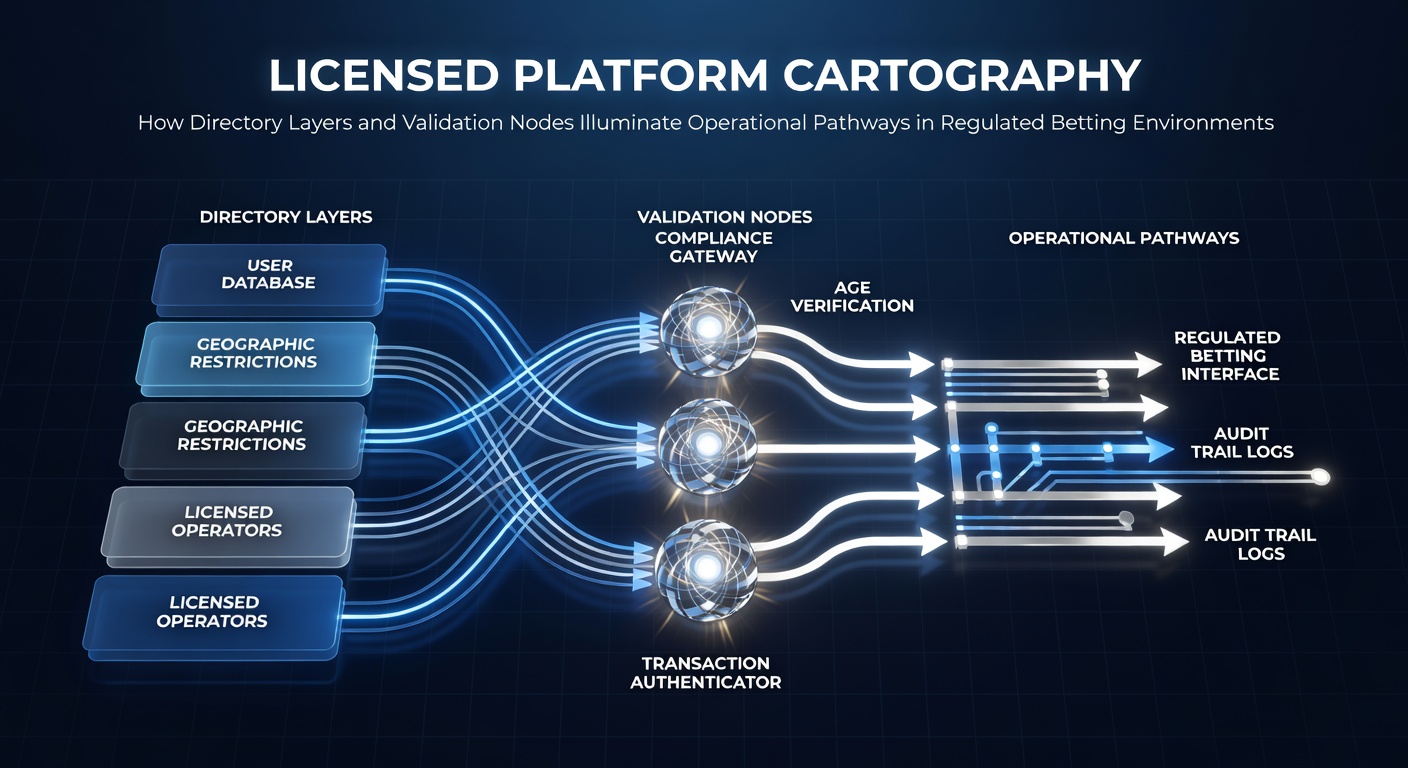
Regulated betting environments rely on structured digital frameworks where directory layers organize access points and validation nodes confirm transaction integrity. These elements form the backbone of operational transparency in systems licensed by authorities across multiple jurisdictions. Data from industry reports indicate that platforms incorporate hierarchical directories to categorize games, account functions, and compliance resources while validation nodes process real-time checks on outcomes and fund movements.
Directory layers typically include site indexes, navigation menus, and categorized sections that direct users from initial entry points toward specific operational areas. In May 2026 regulatory updates from bodies like the New Jersey Division of Gaming Enforcement highlighted standardized requirements for these layers to ensure clear pathways remain accessible without hidden redirects. Such structures allow operators to maintain separation between promotional content, gameplay modules, and verification tools while meeting licensing conditions that demand explicit mapping of user flows.
Core Components of Directory Structures
Directory layers function as organizational scaffolds in licensed platforms. They group resources into logical clusters such as account management, game libraries, and audit logs. Research from the International Association of Gaming Regulators shows that effective layering reduces navigation errors by presenting users with sequential options that align with regulatory mandates for responsible access. Validation nodes sit at key junctions within these layers and serve as checkpoints where system algorithms verify bet placements, random number generation outputs, and payout calculations before finalizing any result display.
Operators integrate these nodes to create traceable routes from user initiation through to outcome confirmation. For instance one common configuration routes a bet placement through an initial directory selection then into a validation node that cross-references the wager against stored game rules and current balance data. This process occurs within milliseconds and generates immutable logs that regulators can audit during compliance reviews.
Role of Validation Nodes in Operational Clarity
Validation nodes illuminate pathways by exposing the sequence of automated checks that underpin fair play. These nodes often connect to external certification services that test random number generators and payout percentages on scheduled intervals. Figures released by the Malta Gaming Authority in early 2026 revealed that platforms employing multi-tier validation reduced discrepancy reports by measurable margins compared with less segmented systems.
Users encounter these nodes when accessing live result streams or historical transaction records. The nodes trigger verification scripts that match displayed outcomes against backend data hashes and then present confirmation indicators such as timestamps and reference codes. This mechanism supports both player review and regulatory oversight because each node maintains a distinct audit trail that links back through the directory layers to the original session entry point.
Integration With Broader Regulatory Frameworks
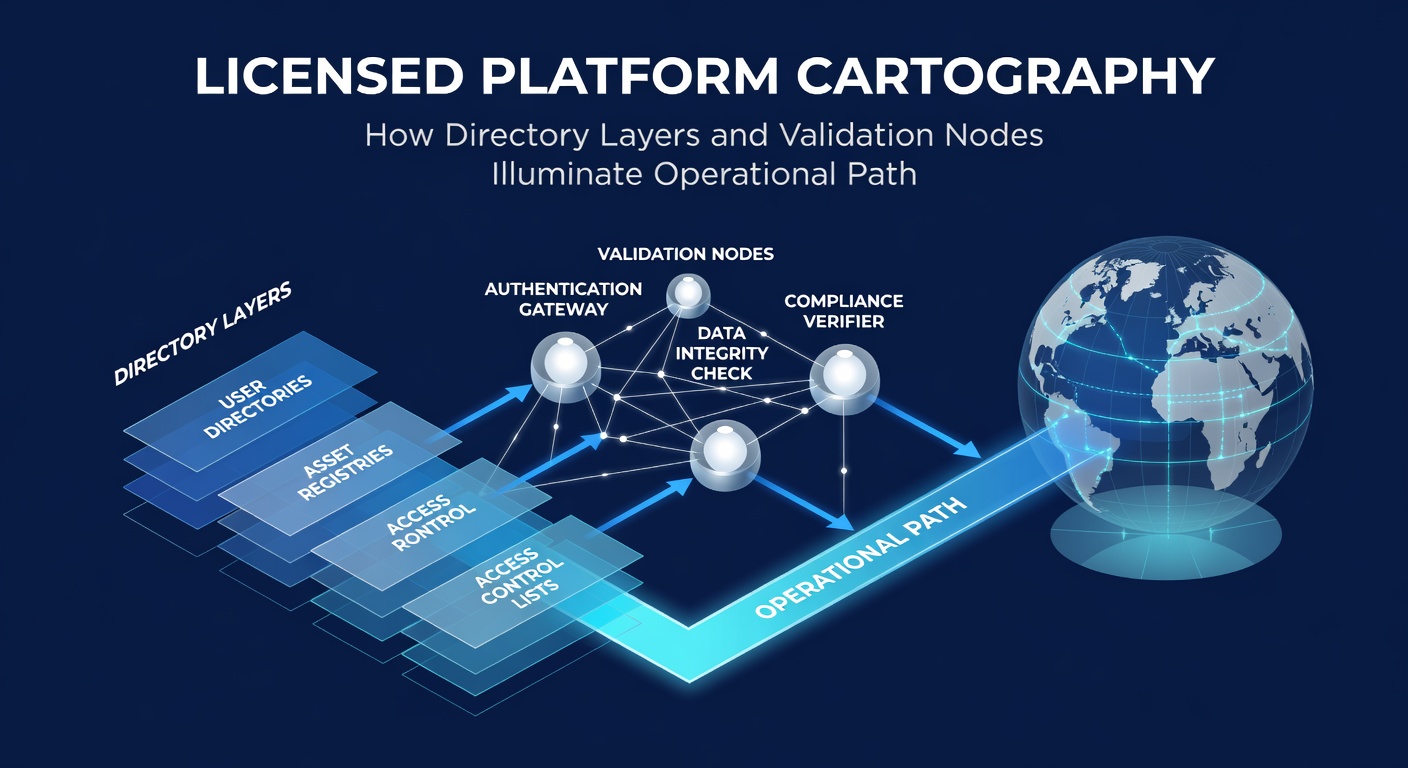
Licensed operators align directory layers and validation nodes with requirements set by diverse oversight bodies including the Australian Communications and Media Authority and provincial Canadian gaming commissions. These alignments ensure that operational pathways remain consistent regardless of jurisdictional differences in licensing criteria. Technical standards published by these agencies specify minimum criteria for node responsiveness and directory visibility so that pathways do not obscure any step in the betting lifecycle.
Platform developers therefore embed metadata tags within directory structures that validation nodes can read to confirm licensing status and compliance status before permitting further progression. This integration creates a self-documenting environment where every pathway segment carries identifiers that external auditors recognize during periodic inspections.
Practical Examples Across Platforms
One documented case involves a European operator that restructured its directory layers to place validation nodes immediately after game selection screens. The change allowed instant cross-checks against certified random number outputs and produced publicly accessible result verifiers that players could reference without additional navigation steps. Similar adjustments appeared in North American deployments where provincial regulators required explicit node placement to support real-time fund movement tracking.
Academic studies from research institutions tracking digital gaming infrastructure note that these configurations improve both operational efficiency and regulatory reporting accuracy. The studies examine how layered directories reduce server load during peak validation periods by pre-sorting requests according to node type and priority level.
Conclusion
Directory layers combined with validation nodes establish clear operational pathways that licensed betting environments depend upon for transparency and compliance. These components continue to evolve alongside regulatory expectations set by agencies in varied regions while supporting the technical demands of modern platform architecture. Observers tracking developments through May 2026 record ongoing refinements in node placement and directory organization that reflect broader industry shifts toward verifiable digital cartography.