Digital Navigation Maps: How Structured Menus in Gaming Sites Direct Traffic to Confirmation Displays and Practice Environments
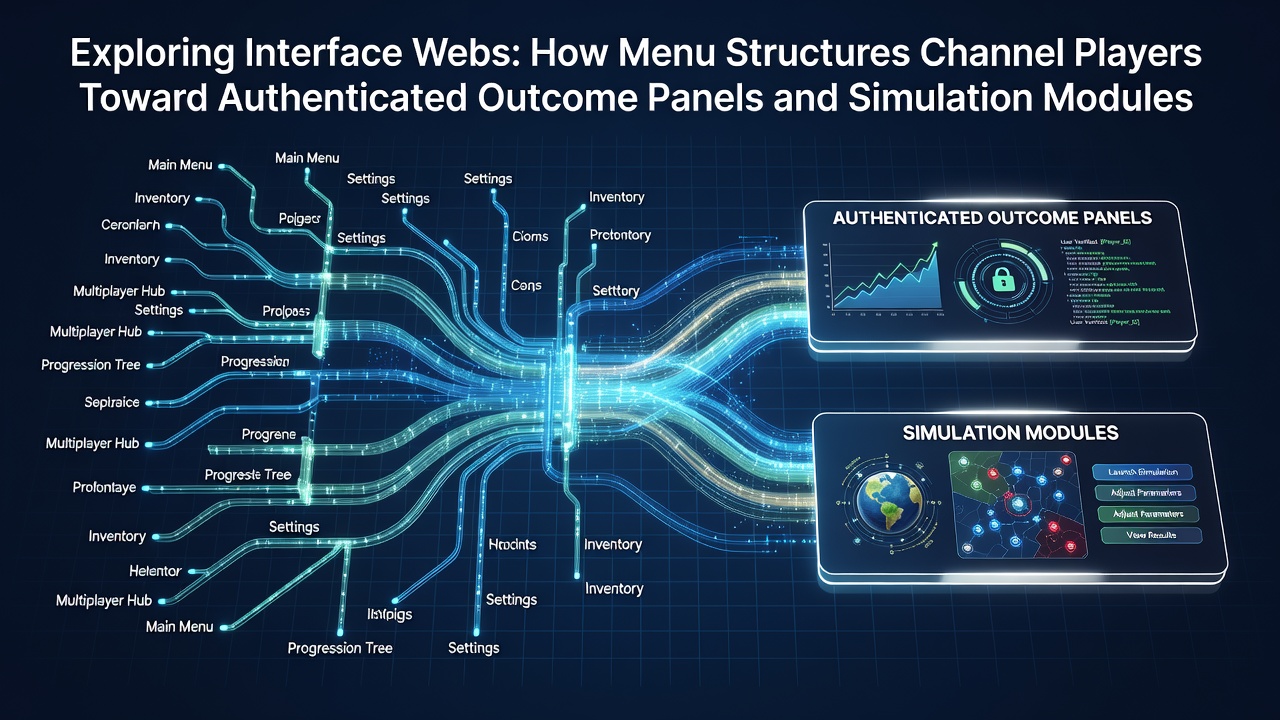
Online gaming platforms organize their interfaces through layered menu systems that guide users along specific routes, and these designs connect landing pages directly to sections displaying authenticated results alongside practice environments, with data from June 2026 indicating steady growth in remote platform usage across multiple jurisdictions.
Menu Architecture and User Pathways
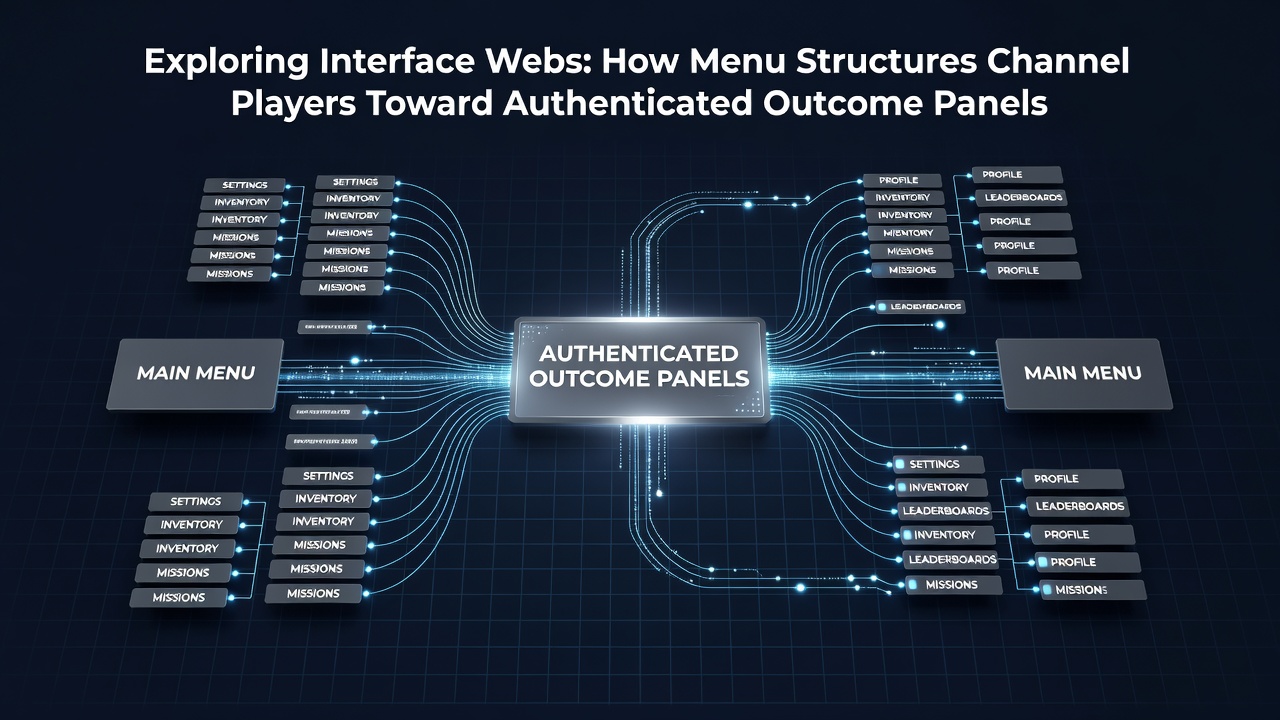
Platform developers arrange primary navigation bars at the top of homepages to list categories such as games, promotions, and support, while secondary menus appear in side panels or dropdown lists that expand when users hover or click, and these elements create clear sequences that move visitors from general browsing areas toward specialized zones containing verified payout information or interactive trials, according to patterns observed in site audits conducted during the first half of 2026.
Observers note that horizontal menus often prioritize quick access buttons labeled "Results" or "Demo Play," which then funnel traffic into subpages where outcome panels require login credentials before displaying confirmed transaction histories, and vertical sidebars meanwhile highlight simulation modules that allow unregistered visitors to test game mechanics without financial commitment.
Directing Traffic to Authenticated Outcome Panels
Authenticated outcome panels typically sit behind menu items that prompt users to verify their status through account portals, and once accessed these displays present timestamped records of wins alongside regulatory compliance markers that confirm payout amounts, with structures designed so that players encounter these sections after passing through at least two or three menu layers from the initial homepage.
Research indicates that sites employing breadcrumb trails beneath main headers help maintain orientation during these transitions, while embedded links within promotional banners reinforce the path by repeating calls to action that lead straight to verification hubs, and industry reports from the Nevada Gaming Control Board highlight how such layered access supports transparency requirements in licensed operations.
Simulation Modules and Their Placement
Simulation modules receive prominent placement in menus under headings like "Try Games" or "Practice Mode," which position them as accessible entry points that require no authentication, and these areas connect to outcome panels through internal hyperlinks that encourage users to transition from free trials into full verification processes once they decide to engage with real stakes.
Those who've studied navigation analytics find that demo zones often include progress indicators showing how completed simulations unlock additional menu options, whereas authenticated panels use similar visual cues to mark completed verification steps, creating a cohesive flow across both free and paid environments.
Integration of Regulatory and Industry Standards
Platform operators align menu designs with guidelines from bodies such as the Australian Communications and Media Authority, which emphasize clear separation between promotional content and verification tools, and this alignment results in dedicated footer sections that list links to external audit reports alongside internal simulation resources, allowing users to cross-reference data without leaving the main interface structure.
Figures from the American Gaming Association reveal that sites incorporating standardized menu templates experience higher retention rates in demo sections during June 2026, as players encounter fewer barriers when moving between practice modules and authenticated result displays, and similar trends appear in reports issued by university research groups examining digital interface efficiency.
Case Examples of Navigation Patterns
One documented example involves a multi-jurisdiction platform where the main menu lists "Live Outcomes" as a top-level item that expands into subcategories for daily verified wins and monthly payout summaries, while a parallel "Simulation Hub" directs users through tutorial sequences before offering direct jumps to authenticated areas upon account creation.
Another instance shows side navigation that groups all verification tools under a single "Secure Portal" heading, which channels traffic from homepage carousels promoting simulation trials straight into panels requiring two-factor authentication, and data from these configurations demonstrates consistent user progression rates across different device types.
Conclusion
Menu structures in gaming platforms continue to evolve as operators refine connections between initial landing pages, authenticated outcome panels, and simulation modules, with June 2026 data underscoring the role of these designs in supporting both user access and regulatory compliance across varied regions, while external links to sources such as the Nevada Gaming Control Board and academic studies provide additional context for ongoing interface developments.