17 May 2026
Digital Frameworks in Entertainment Portals Expose Routes to Result Confirmation and Gameplay Review
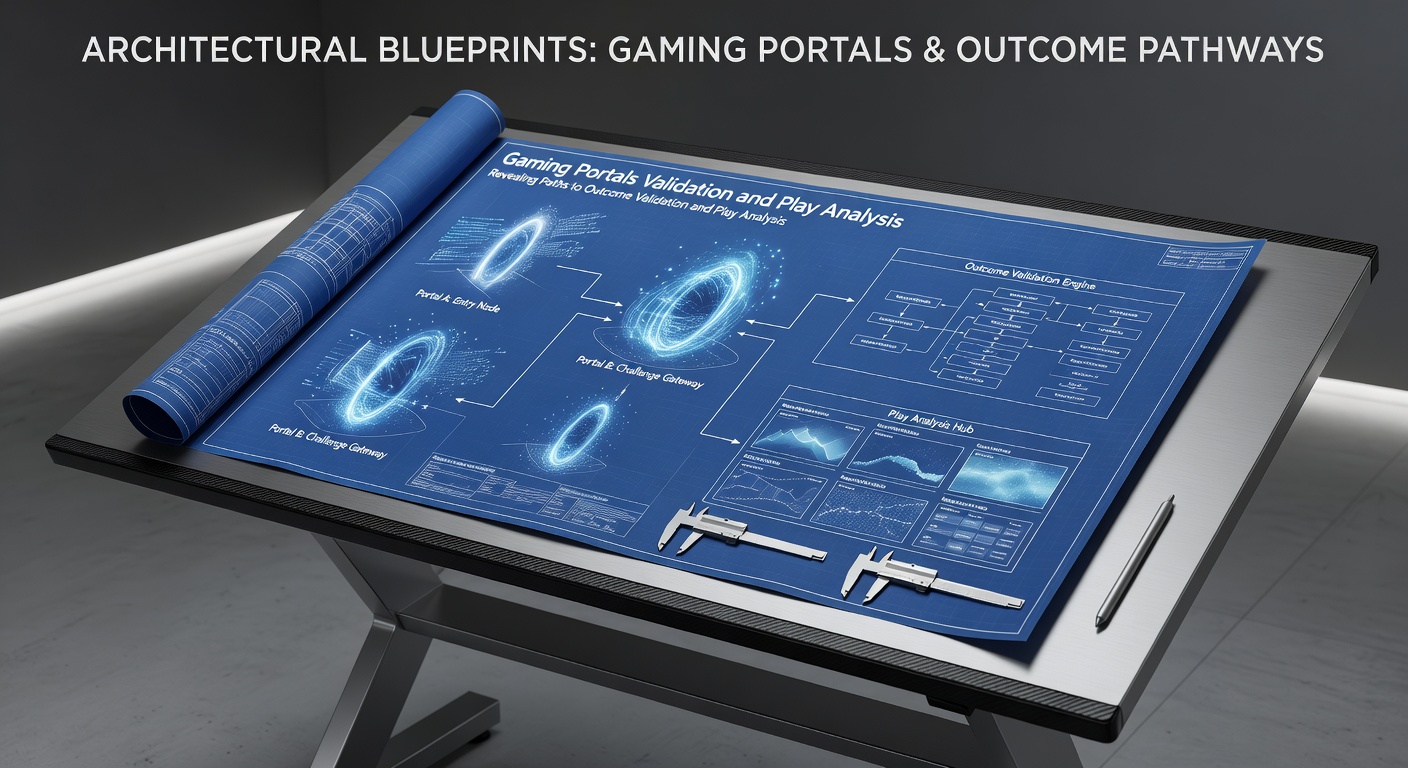
Architectural blueprints for gaming portals outline the underlying structures that guide users from initial access points through various interface layers toward sections dedicated to outcome validation and detailed play analysis, and these designs have evolved considerably by May 2026 as platforms incorporate advanced data routing systems to handle increased volumes of real-time interactions.
Researchers who examine these frameworks note that portal layouts typically begin with standardized entry gateways featuring prominent navigation menus, while deeper layers connect through layered hyperlinks and dynamic modules that direct traffic to verification nodes where players review authenticated game results and performance metrics.
Core Elements of Portal Structures
Portal architectures rely on modular components that separate front-end presentation from back-end data processing, which allows seamless transitions between gameplay areas and analytical dashboards, and this separation proves essential when platforms update systems to comply with regional standards for transparency in result reporting.
Designers integrate breadcrumb trails and contextual links that map user journeys from homepage banners to dedicated verification hubs, whereas additional pathways branch off to demo environments and statistical archives that support play analysis without interrupting active sessions.
Navigation Pathways and Data Flows
Data flows within these blueprints channel information from game servers through secure channels to outcome displays, which present verified results alongside historical play records, and industry reports indicate that such routing reduces latency while maintaining audit trails required by oversight bodies.
According to findings from the European Gaming and Betting Association, portal maps in 2026 emphasize integrated verification tools that pull live data feeds directly into user interfaces, enabling participants to cross-reference individual game outcomes with platform-wide fairness indicators.
Those who analyze these systems observe that sidebar indexes and footer links often serve as secondary routes to play analysis sections, whereas primary menus prioritize quick access to result checkers that validate spins, rounds, and payouts in real time.

Integration of Verification and Analysis Tools
Verification modules sit at key junctions within portal blueprints, drawing on random number generator outputs and third-party audit logs to confirm results, while analysis tools aggregate session data into visual reports that highlight patterns in player behavior and game performance.
Studies conducted by research teams at institutions such as the University of Nevada's International Gaming Institute reveal that these integrated features have expanded in May 2026, incorporating machine learning elements that refine how pathways deliver personalized insights without compromising data security protocols.
Portal developers achieve this balance through layered permissions that restrict certain analytical views to verified accounts, and this approach maintains compliance across multiple jurisdictions where regulators require clear documentation of outcome authenticity.
Regional Adaptations in Portal Design
Platforms operating in diverse markets adjust their architectural blueprints to align with local requirements, for instance incorporating additional audit links in regions governed by bodies like the Malta Gaming Authority, yet the core navigation logic remains consistent to support cross-border user experiences.
Observers note that Australian regulatory frameworks encourage explicit pathways to payout verifiers, which appear as dedicated subpages connected via prominent interface elements, and these connections help demonstrate adherence to standards for fair play documentation.
Conclusion
Architectural blueprints continue to shape how gaming portals facilitate movement from entry points to sophisticated outcome validation systems and comprehensive play analysis resources, and ongoing refinements in May 2026 reflect broader industry shifts toward greater integration of verification technologies with user-friendly navigation structures.