Charting Virtual Wagering Blueprints: How Entry Designs Link to Simulation Tests and Authentication Pathways
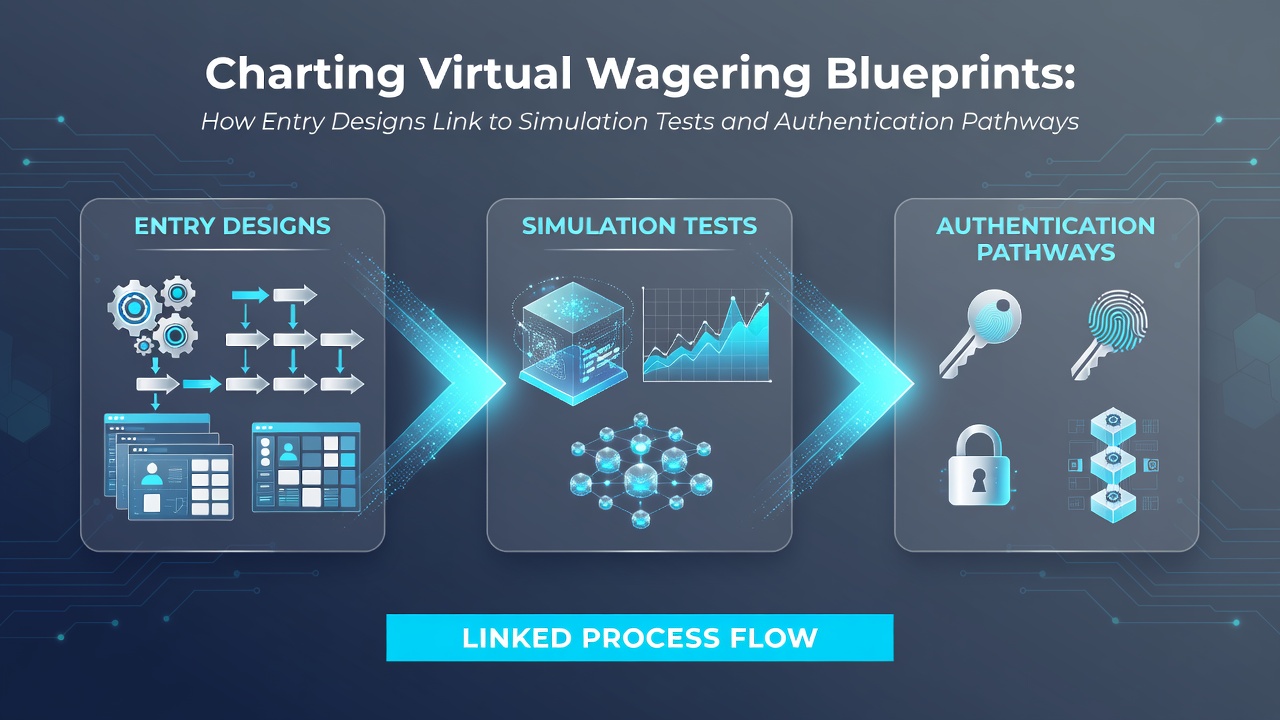
Entry designs in virtual wagering platforms serve as the initial blueprints that guide users from landing pages toward simulation tests and authentication pathways, creating structured flows that support both practice environments and verified access points. Research from gaming technology institutes shows these designs incorporate visual hierarchies, navigation menus, adn interactive elements that direct traffic without abrupt transitions.
Interface Foundations and Navigation Structures
Designers build homepage layouts with prominent buttons and sections that highlight demo access while reserving deeper layers for registered pathways. According to studies on digital gambling interfaces, these elements often feature color-coded zones where simulation options sit alongside prompts for account creation, allowing seamless progression once users decide to move forward. Data from industry reports indicate that such layouts reduce bounce rates by presenting clear choices early in the session.
Simulation Test Integration
Simulation tests connect directly through entry points that load practice modes without requiring immediate authentication, giving users opportunities to explore game mechanics in controlled settings. Observers note that these links frequently appear as secondary navigation items or pop-up invitations on the main screen, routing participants to mirrored versions of live games that operate on separate servers. Figures from platform analytics reveal higher engagement when demo zones mirror the visual style of the entry page, maintaining consistency across the user journey.
Technical Pathways to Verification
Authentication sequences activate once simulation users opt to transition, pulling data from the entry design's embedded forms that collect basic credentials before escalating to identity checks. Researchers discovered that multi-stage verification often begins with email or phone confirmation triggered from the same dashboard that hosts demo access, then proceeds to document uploads or biometric options depending on jurisdictional requirements. This linkage ensures that pathways remain traceable from initial click to full approval.
What's interesting is how July 2026 updates in several regions prompted platforms to refine these connections, incorporating automated handoffs between practice areas and secure portals to comply with emerging standards on user protection. Industry organizations tracking these changes report that integrated systems now log every step, creating audit trails that link entry interactions to completed authentications.

Global Regulatory Influences on Design Links
Authorities in North America and Europe have examined how entry blueprints influence compliance, with data showing that streamlined connections between demos and verification reduce unauthorized play attempts. A report from the Nevada Gaming Control Board highlights cases where redesigned navigation improved verification completion rates by mapping demo exits straight to secure login hubs. Similar patterns appear in analyses from the Australian Communications and Media Authority, where platform studies found that visual cues on landing pages guide users toward authenticated zones more effectively than scattered menus.
Platform developers respond by embedding API connections that carry session data from simulation environments into authentication modules, preserving user preferences and game states across the shift. Those who've reviewed code structures observe that this approach minimizes friction while maintaining separation between free and real-money layers until verification clears.
Case Examples from Platform Operations
One documented implementation involved a major operator that restructured its homepage to feature simulation gateways as primary elements, resulting in measurable increases in verified sign-ups tracked through internal metrics. Another instance showed how authentication pathways incorporated fallback options from demo pages, allowing users who encountered verification delays to retain their session progress upon return. Research indicates these adjustments stem from iterative testing rather than isolated changes.
Conclusion
Entry designs continue to evolve as central connectors in virtual wagering ecosystems, channeling users through simulation tests before authentication pathways finalize access. Evidence from multiple regulatory and academic sources confirms that thoughtful integration of these elements supports both operational efficiency and adherence to oversight frameworks across regions. Platforms that maintain clear linkages between these components demonstrate consistent performance in user flow metrics adn compliance records.